
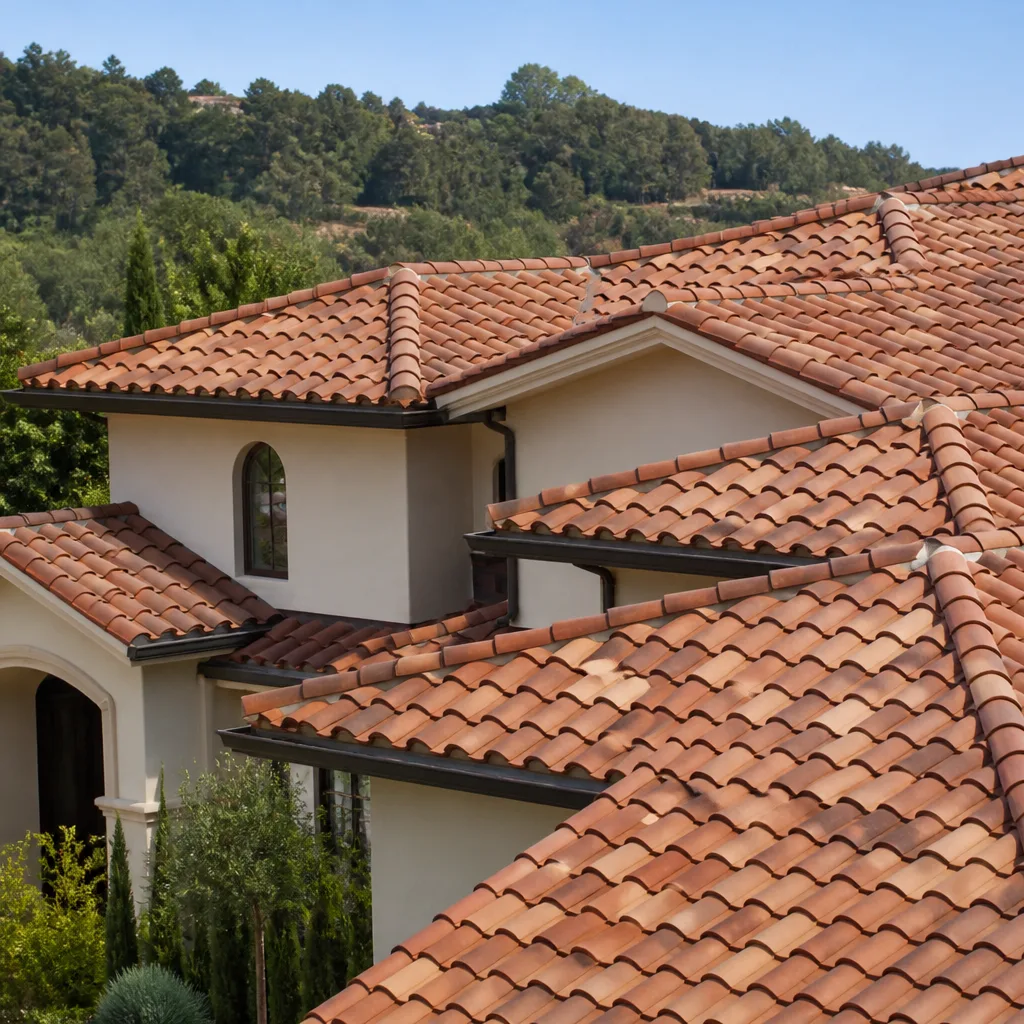
 Tile roofing
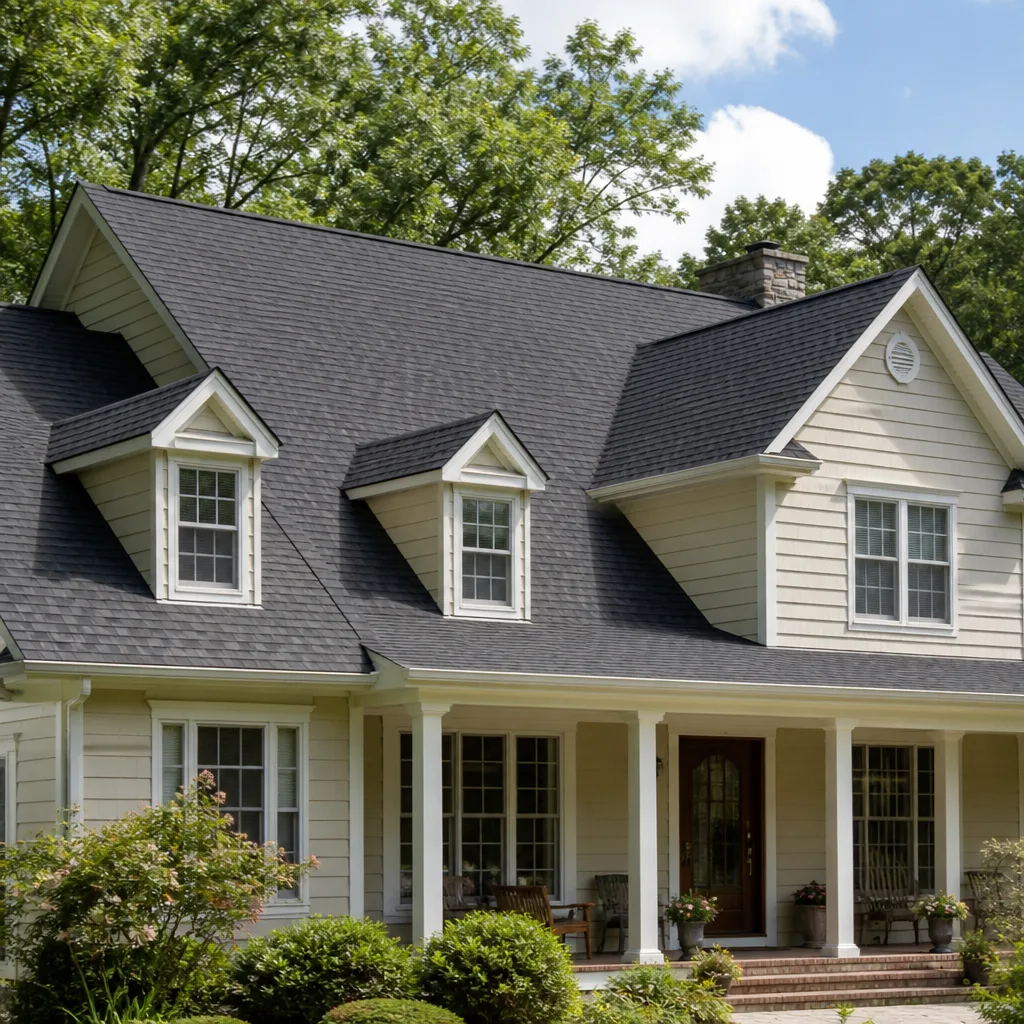
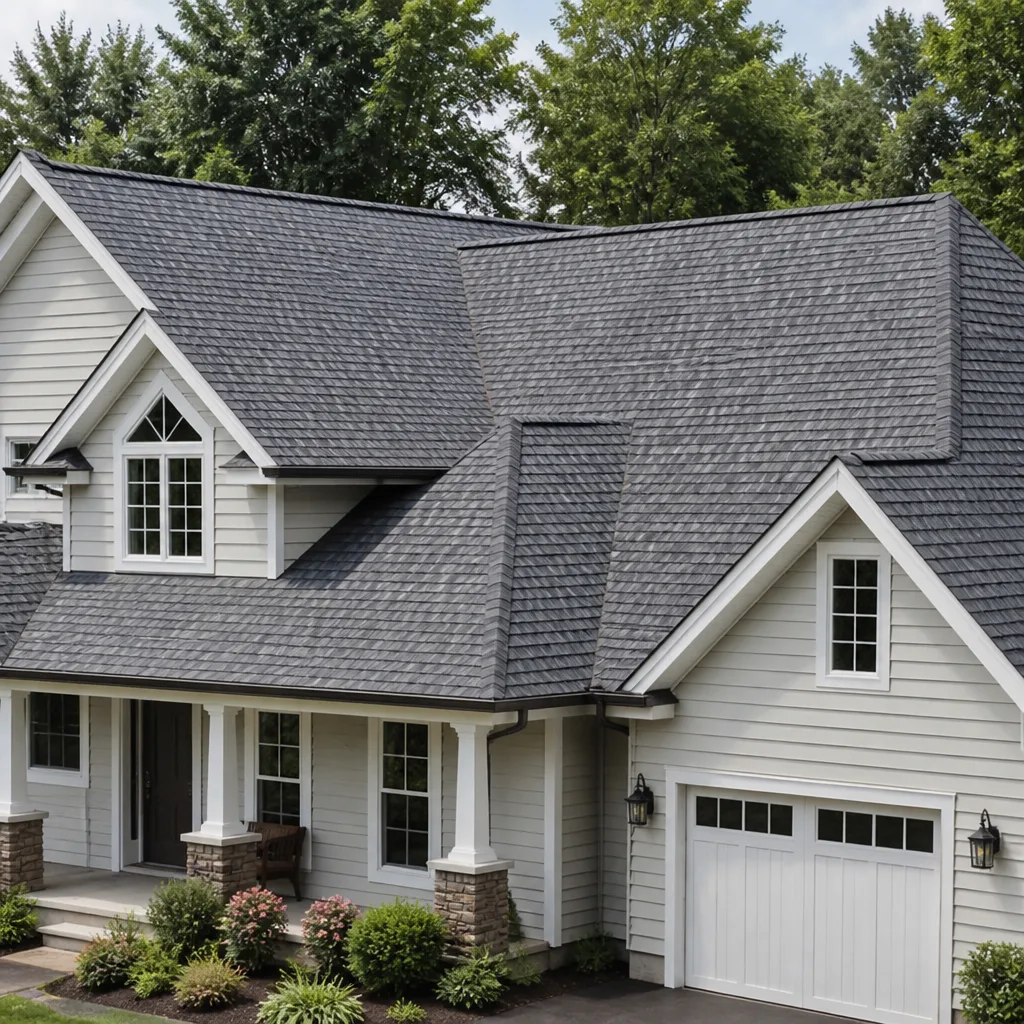 Architectural shingles
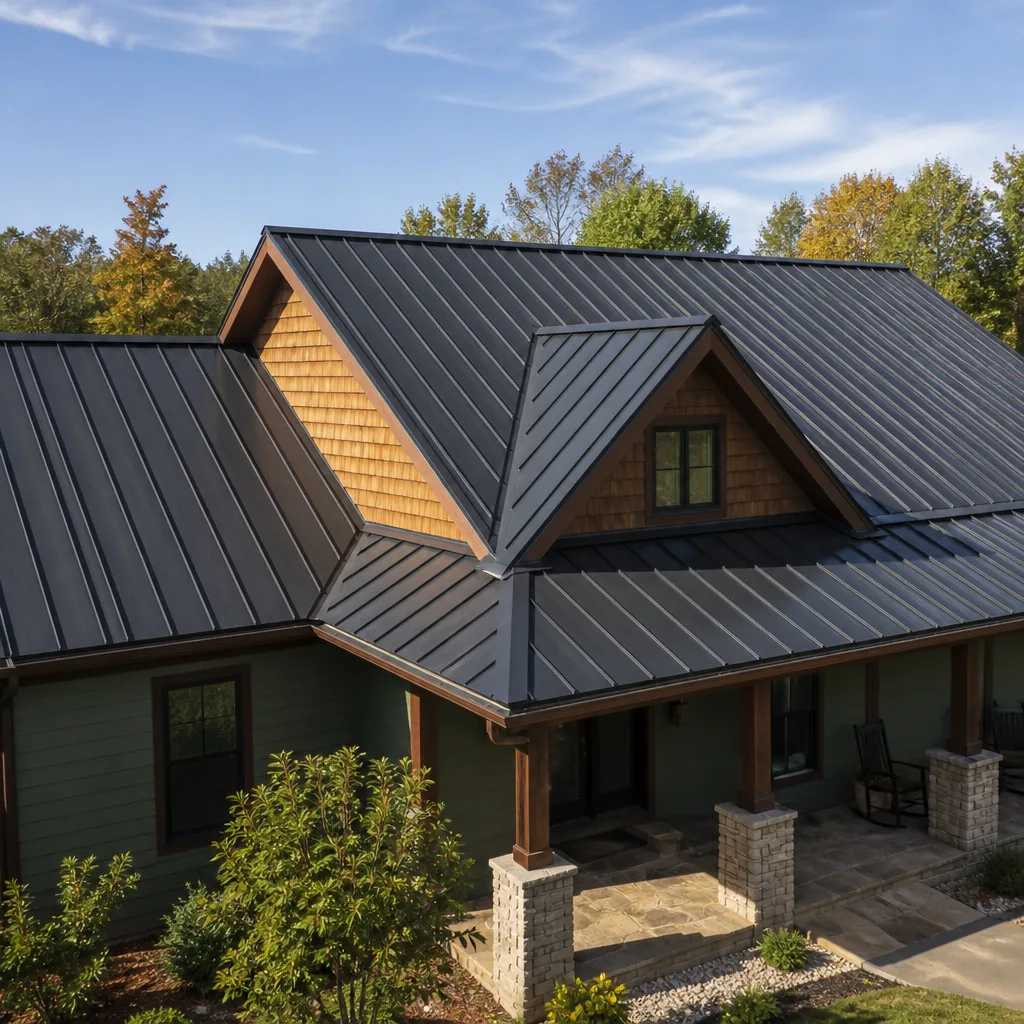 Metal roofing
 GAF
GAF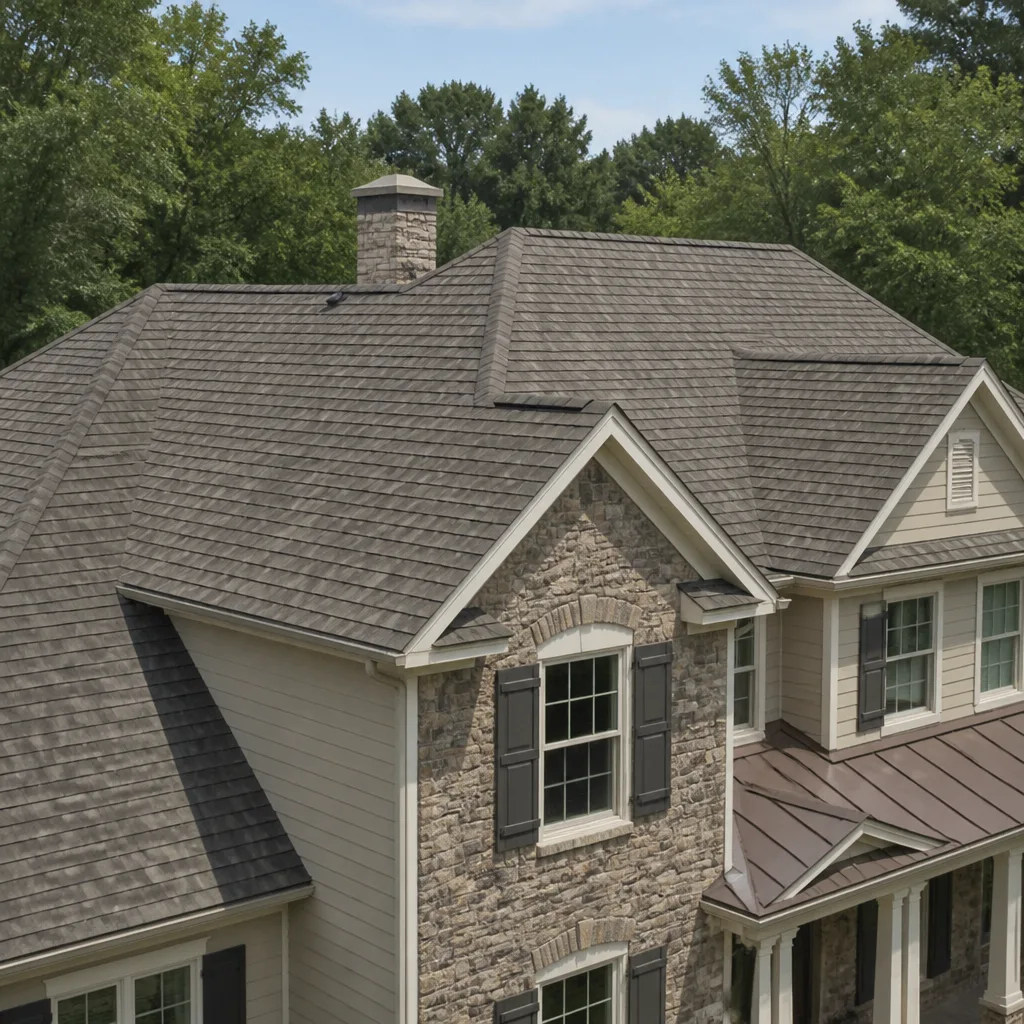 Owens Corning
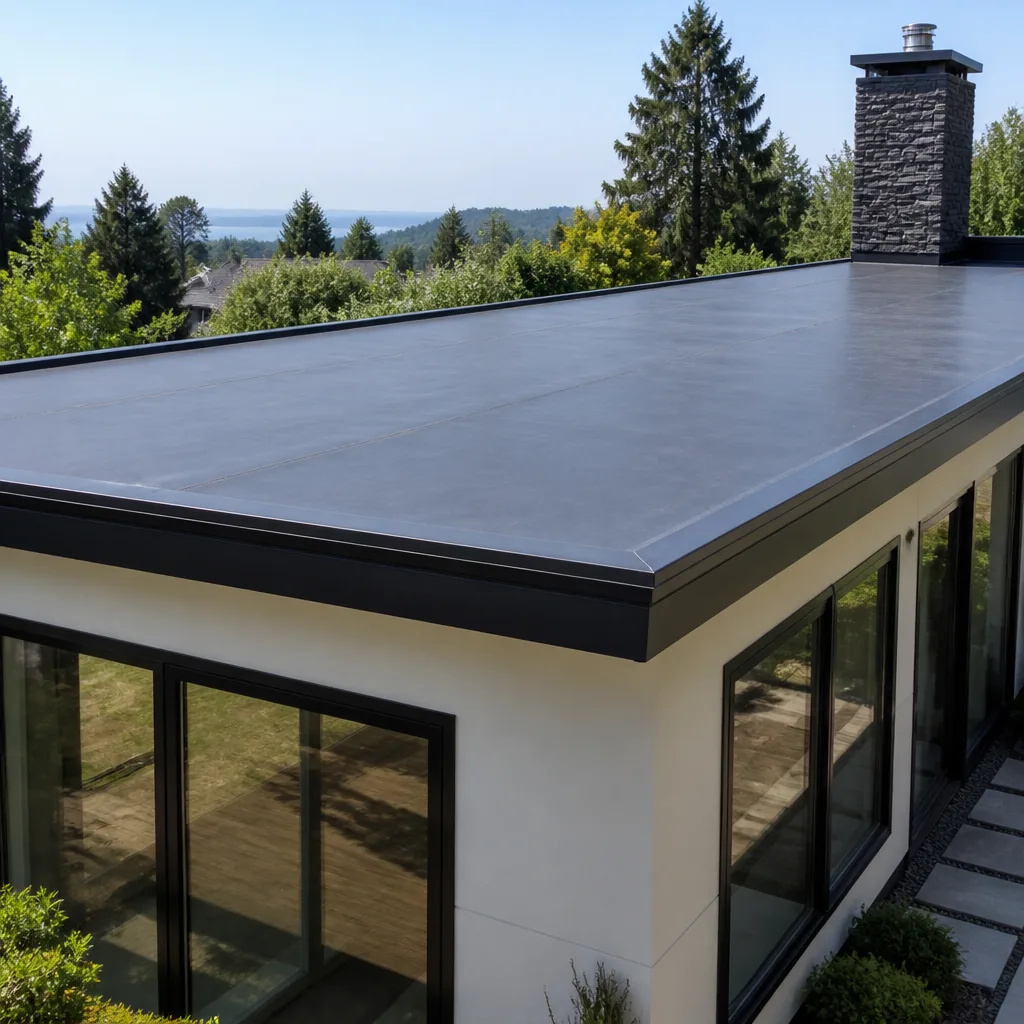 Flat & low-slope
Free roof inspection with deck photos before we talk money - GAF and Owens Corning certified installation
Boral Underlayment & Deck Repair: The Houston Owner’s Guide
We stock and install Boral-compatible underlayment and perform deck repair throughout Houston, with most underlayment replacements running $450 to $1,200 depending on the deck condition and square footage. It’s a same-visit fix in most cases: we carry the common Boral-spec underlayment rolls and deck patch materials on the truck. Homeowners usually discover a problem one of two ways: water staining on the ceiling after a hard Houston rain, or a tile that’s started to sit proud of the roofline because the deck board underneath has rotted out and swollen.

If you’ve got a Boral roof and the underlayment or decking has failed, you’ll know it. The tile might look fine from the ground while the real problem is underneath it. That’s the first thing we explain on every call like this.
Key takeaways:
- Boral underlayment replacement in Houston typically runs $450 – $1,200 installed
- We stock Boral-spec underlayment and deck patch materials on the truck for most calls
- Every repair comes with a written guarantee before the crew leaves, not mailed later
- Tilehurst Roofing Houston is an independent roofing company, not affiliated with Boral
Which Boral Models This Applies To
Boral has manufactured several concrete and clay tile lines over the years, and the underlayment and decking beneath them all do the same job: keep water moving off the deck and into the gutter. The repair approach we use applies to Boral’s concrete tile profiles including the flat and low-profile series, the classic S-tile shapes, and the barrel-style profiles that show up on a lot of Texas homes built in the 1990s and 2000s. Whether the tile says Boral, US Tile, or Monier (all three names have shared manufacturing history), the underlayment underneath follows the same basic rules.
The practical part is identifying what’s actually under your tile. Boral roofs in Houston generally used one of two underlayment types: a standard asphalt-saturated felt (often 30 lb or 40 lb) on older installations, or a synthetic underlayment on homes reroofed in the last decade. The tile profile doesn’t change the repair; the deck condition does. If the original installer stapled rather than cap-nailed the underlayment, we see more wind-driven water intrusion during the thunderstorms we get off the Gulf. That’s a checkable detail, and it’s one we check on every Boral repair call.
If you’re sourcing parts yourself, the label matters less than the spec. We use underlayment rated for high-heat tile applications, because the air gap under tile can push surface temperatures 30°F hotter than the ambient Houston afternoon. Standard asphalt shingle underlayment degrades faster under tile. We use the right spec, not whatever roll happens to be in the truck.
Styles & brands we work with
Signs Your Boral Underlayment & Deck Repair Is Failing
- Water staining on ceilings or walls below the roof. Underlayment is the true waterproofing layer on a tile roof. When it tears or degrades, water reaches the deck and eventually the interior. By the time you see the stain, the leak has been active through several rain events.
- Visible decking from inside the attic. Take a flashlight into the attic on a sunny day. If you can see daylight through the deck boards or see dark water-stained wood around nail heads, the underlayment has failed in that section.
- Tile that sits higher than its neighbors. When a deck board rots and swells, the tiles above it lift visibly. Walk the ground perimeter of the house and sight along the roofline. A ripple in the tile line means deck replacement is likely underneath.
- Crumbling felt visible at the roof edge or in the gutter. After heavy rain, homeowners sometimes find gray or black felt fragments in the gutter or on the ground. That’s your underlayment disintegrating, and Houston’s wet-dry-wet cycle accelerates it once the edges are exposed.
- Granules or tile fragments in the downspout collectors. Boral tile is dense, but thermal cycling in Houston heat can spall the surface over time. Granules in the gutter mean the tile is shedding, and the underlayment is one freeze-thaw cycle away from exposure.
See the difference
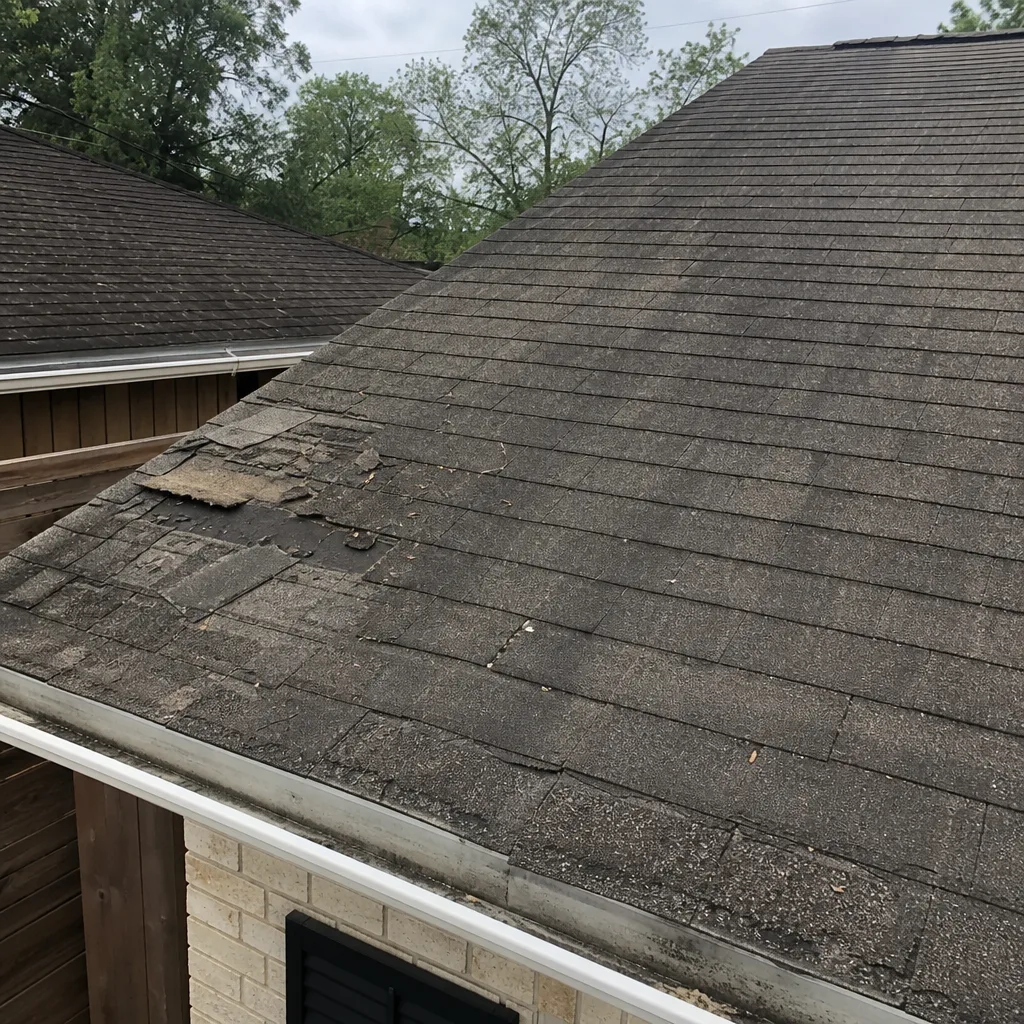 Before
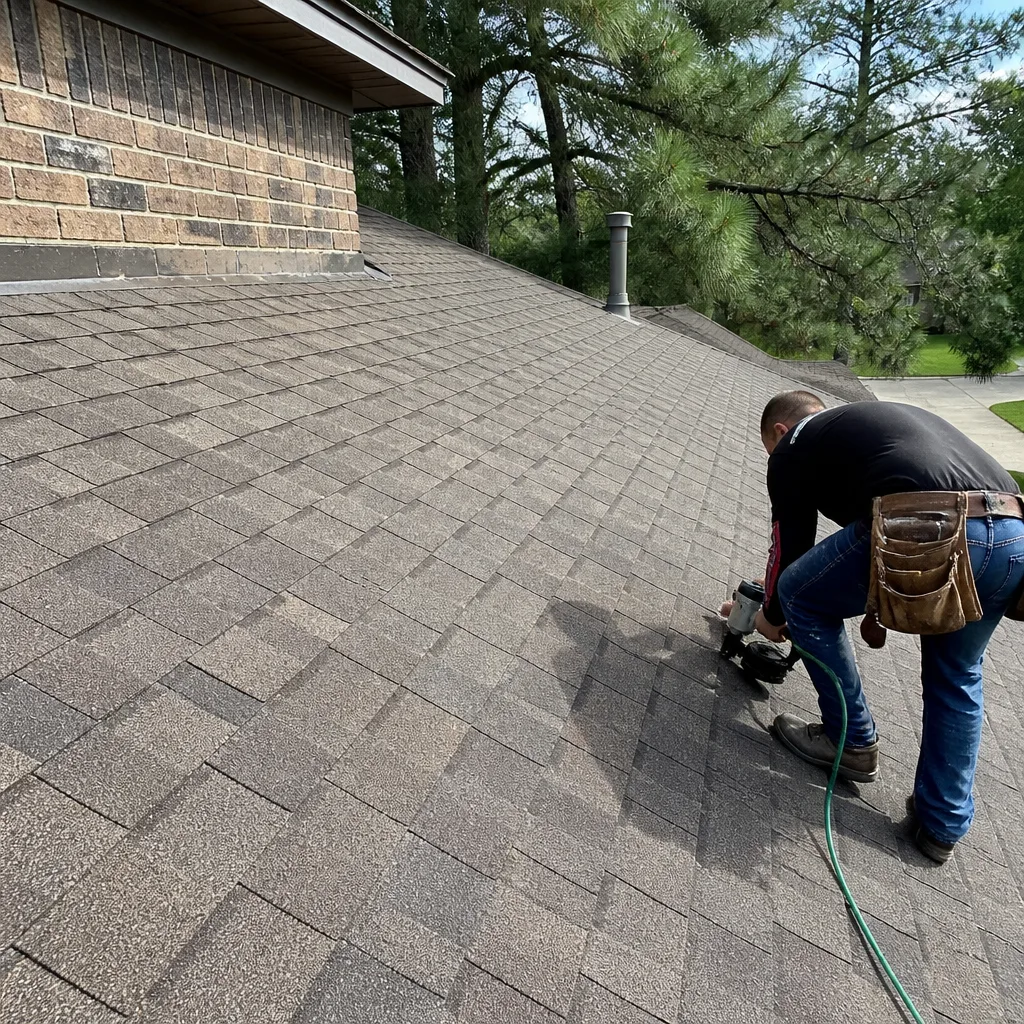 After
After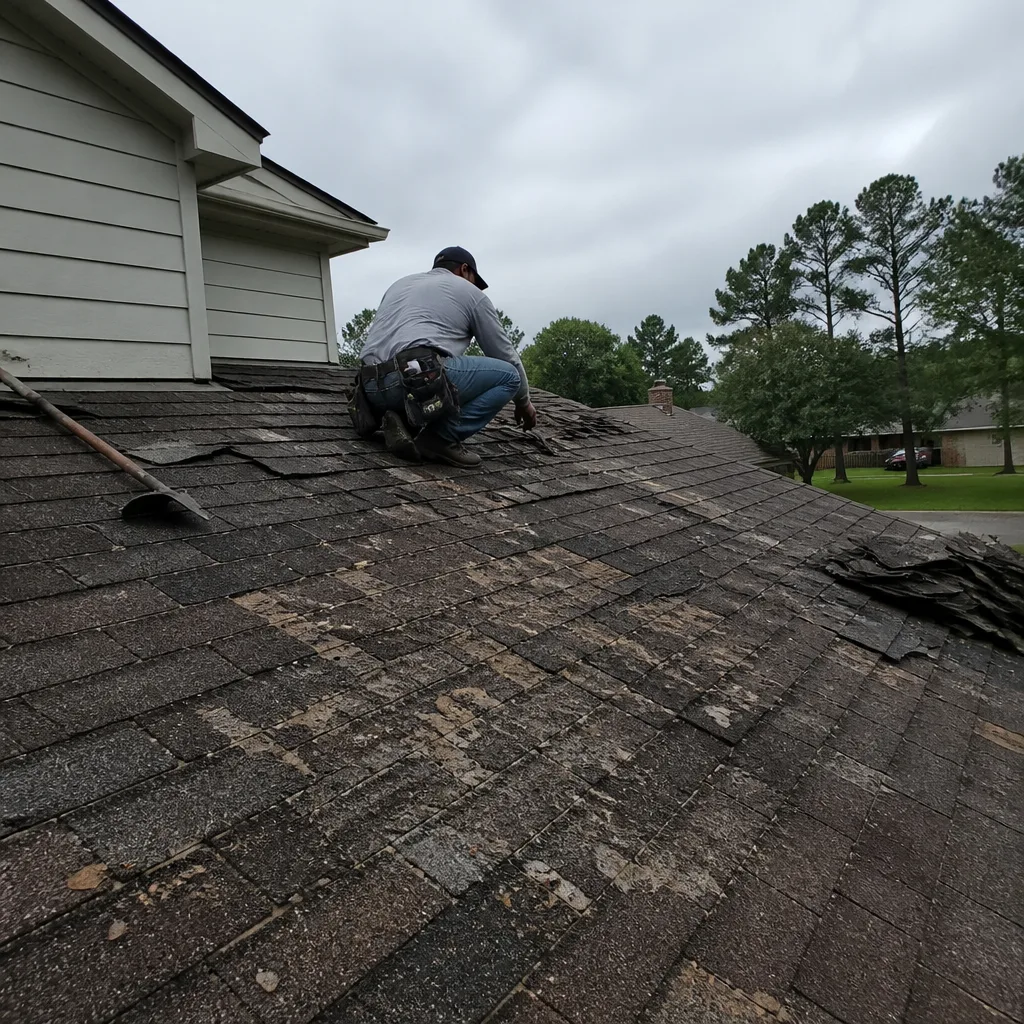 Before
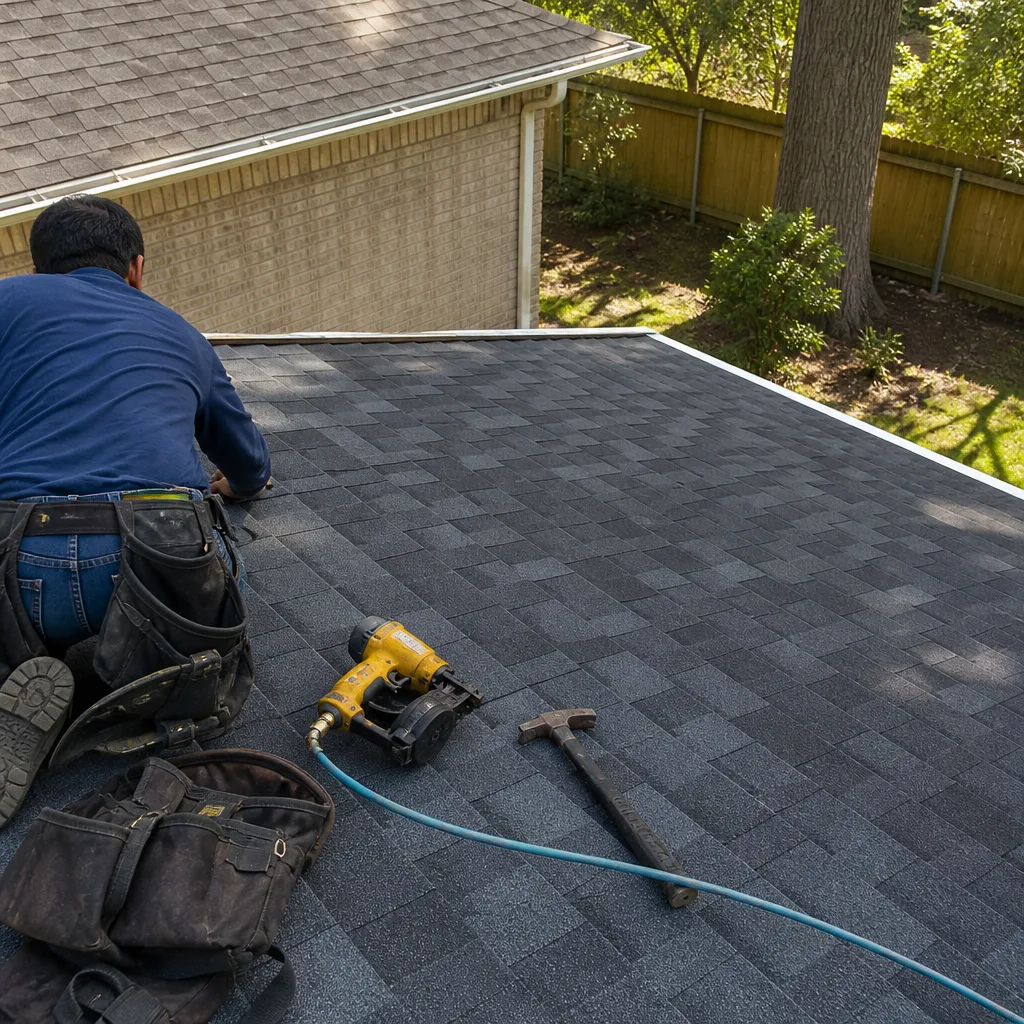 After
After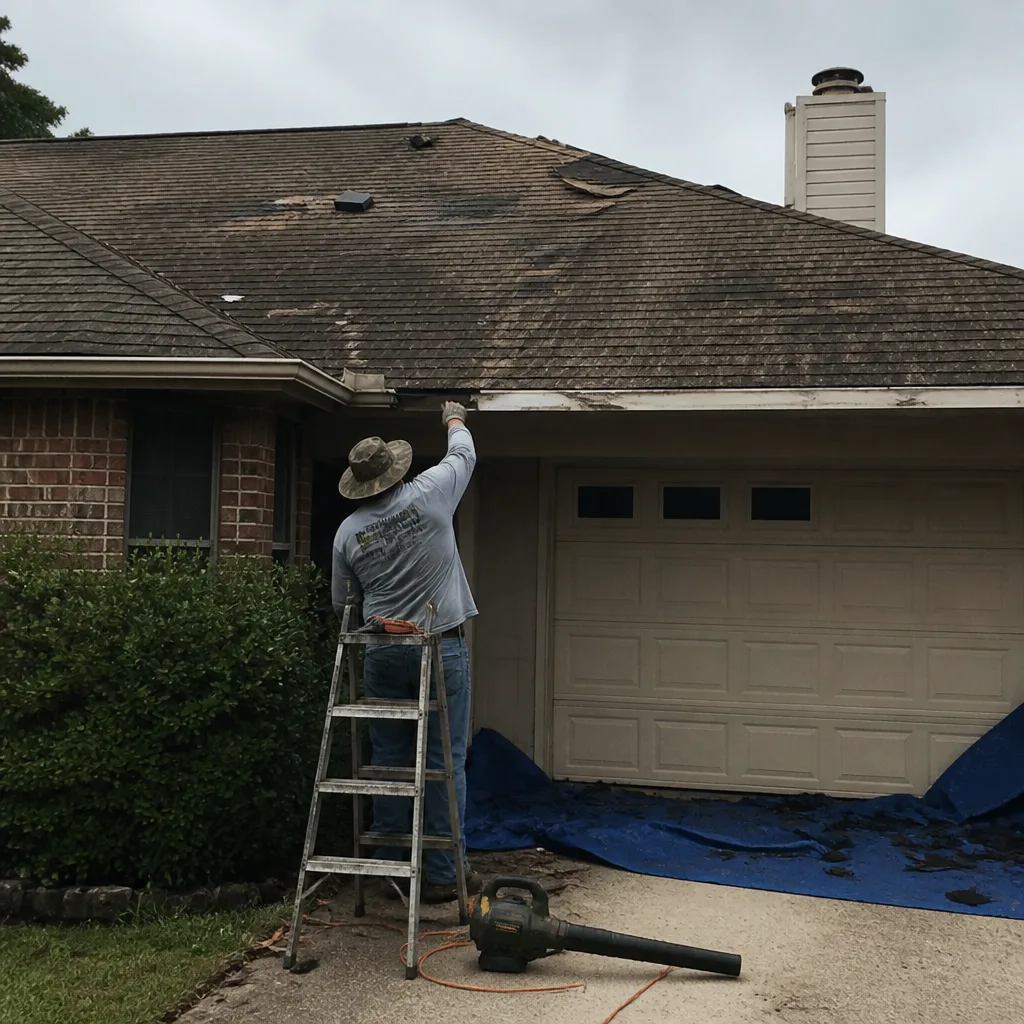 Before
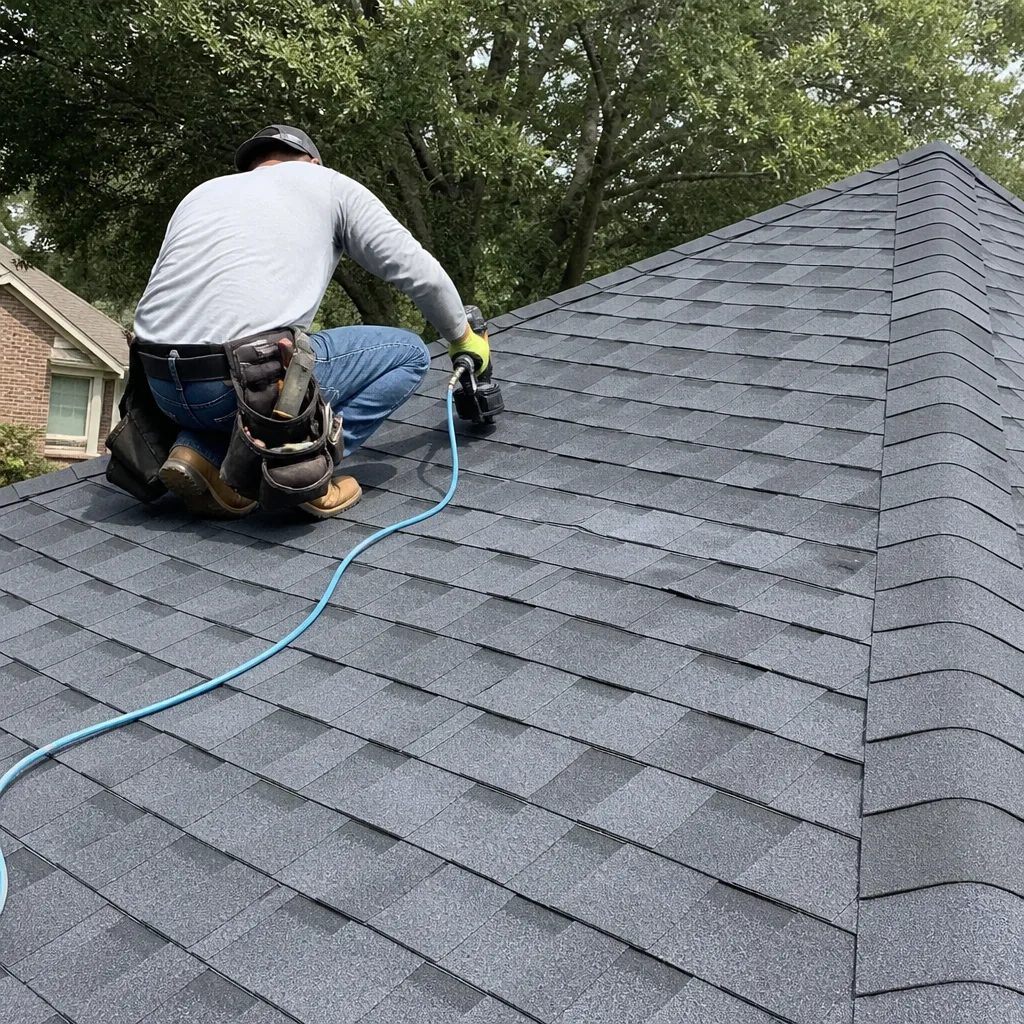 After
AfterReplacement Cost & What’s Included
In Houston, Boral underlayment replacement runs $450 to $1,200 for a typical repair area. Full-deck replacement drives the high end: if we’re tearing out rotted plywood or OSB and installing new decking, you’re looking at $900 to $2,400 depending on how many sheets and how the old deck was fastened. The range is driven by deck condition, roof pitch, and whether we’re pulling and resetting tile in a small patch or a larger section.
Every quote is line-itemed: underlayment, decking, fasteners, tile reset, and labor are separate numbers, so you see exactly what you’re paying for. We put the written price in your hands before any work starts, and it doesn’t change unless we uncover hidden deck rot that genuinely changes the job. The repair itself carries a written guarantee, and if it fails inside the guarantee period, the crew returns at no charge under the 365-Day Done Right Promise. You’ll know the price before we touch the roof.
DIY or Call Us?
There’s one thing a homeowner can safely check: whether tiles have shifted out of place after wind or impact. That’s a ground-level visual inspection, and Greg Holloway will tell you to do it before calling us, because the answer changes the phone conversation. What you shouldn’t do is pull tiles and patch underlayment yourself. The tile is heavy, the underlayment work on a pitched roof requires fall protection, and a bad patch under Boral tile leads to a leak you cannot see until the deck is already ruined.
The honest split is this: if you can see the problem from the ground, call us with what you know. If you can’t see the problem from the ground, call us anyway. We’ll find it. We walk every Houston job ourselves, including the Meyerland corridor where clay tiles and flood cycles have been testing roofers for decades. Call (254) 566-3573 and we’ll schedule the inspection.
FAQs
Underlayment beneath Boral tile in Houston typically lasts 20 to 30 years depending on the material, but the deck beneath it can fail sooner if moisture gets trapped. Houston’s high humidity and thermal cycling shorten that lifespan compared to drier markets. If your home is 25 years old with original underlayment, it’s on borrowed time. Call (254) 566-3573 for an inspection if you suspect yours is failing.
Only if the damage is isolated to a small section and the deck beneath is still solid. We patch underlayment tears and reseal seams when the rest of the material has life left in it. If the underlayment is brittle or the deck is water-damaged, a patch becomes a bandage on a bigger problem. The estimate tells you which one you’re looking at.
Most Boral underlayment and deck repairs in Houston are done in one day. If full deck replacement is required and the area is large, plan for two days. We’ll tell you the day-count in the written estimate before any work starts.
Yes. We carry Boral-spec underlayment, deck patch materials, and the fasteners we use most often on tile roof repairs. If your repair calls for a specialty material, we source it from our supplier network before the crew shows up. We also stock parts for GAF, Owens Corning, and CertainTeed systems, so one call covers most Houston roofs. Call (254) 566-3573 and we’ll confirm what we need before the visit.
If your Boral underlayment or deck has failed, don’t wait through another Houston rain. Call Tilehurst Roofing Houston at (254) 566-3573 to schedule your free estimate. We’ll inspect, write the price, and put the guarantee in writing before a single tile moves.
Written by Greg Holloway, Owner, Tilehurst Roofing Houston at Tilehurst Roofing Houston, serving Houston and nearby areas.