
 Tile roofing
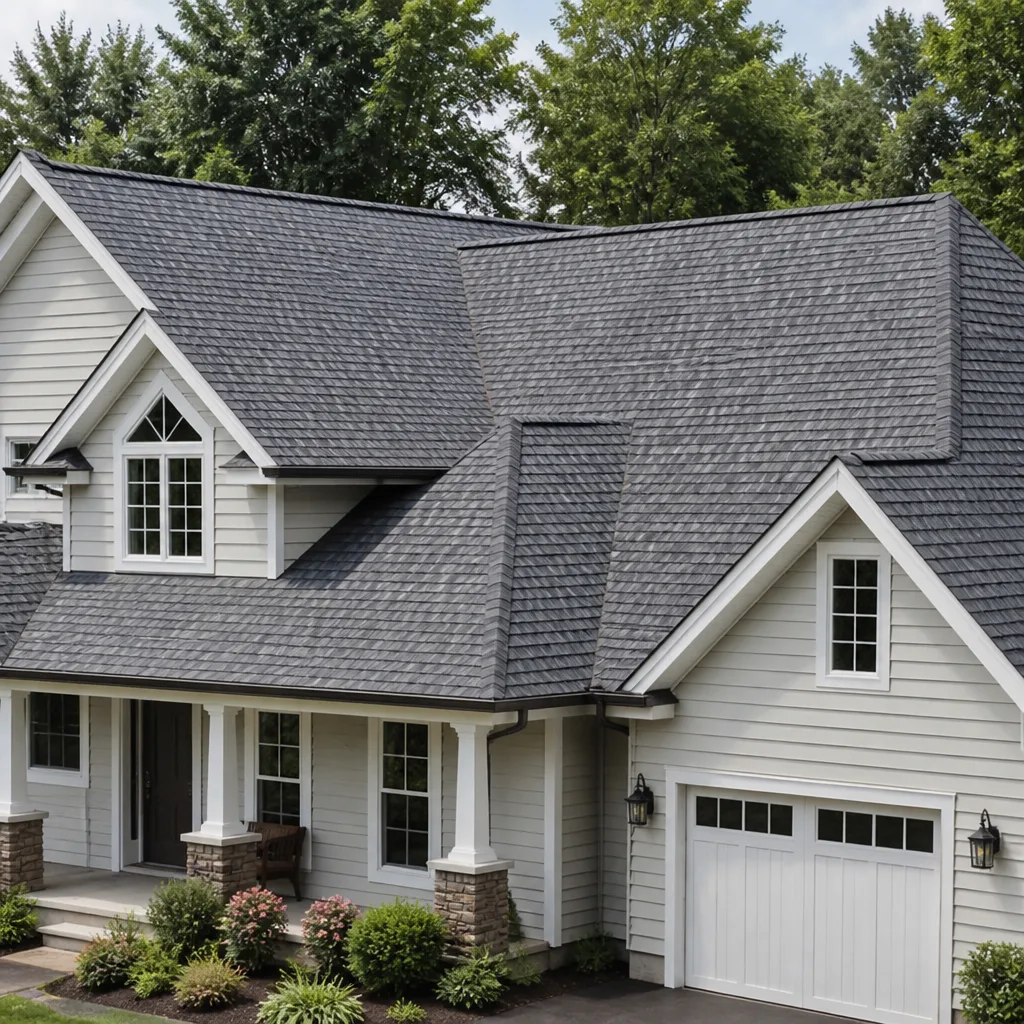 Architectural shingles
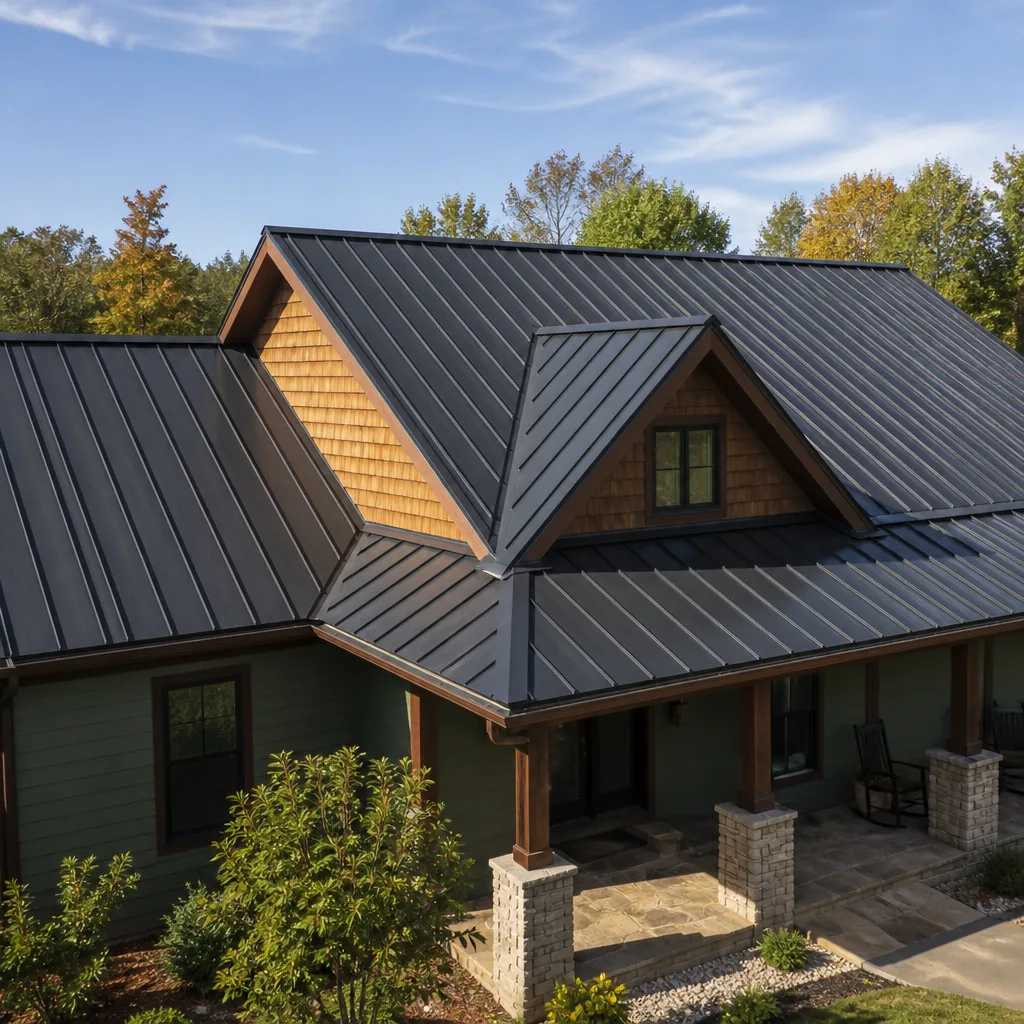 Metal roofing
 GAF
GAF Owens Corning
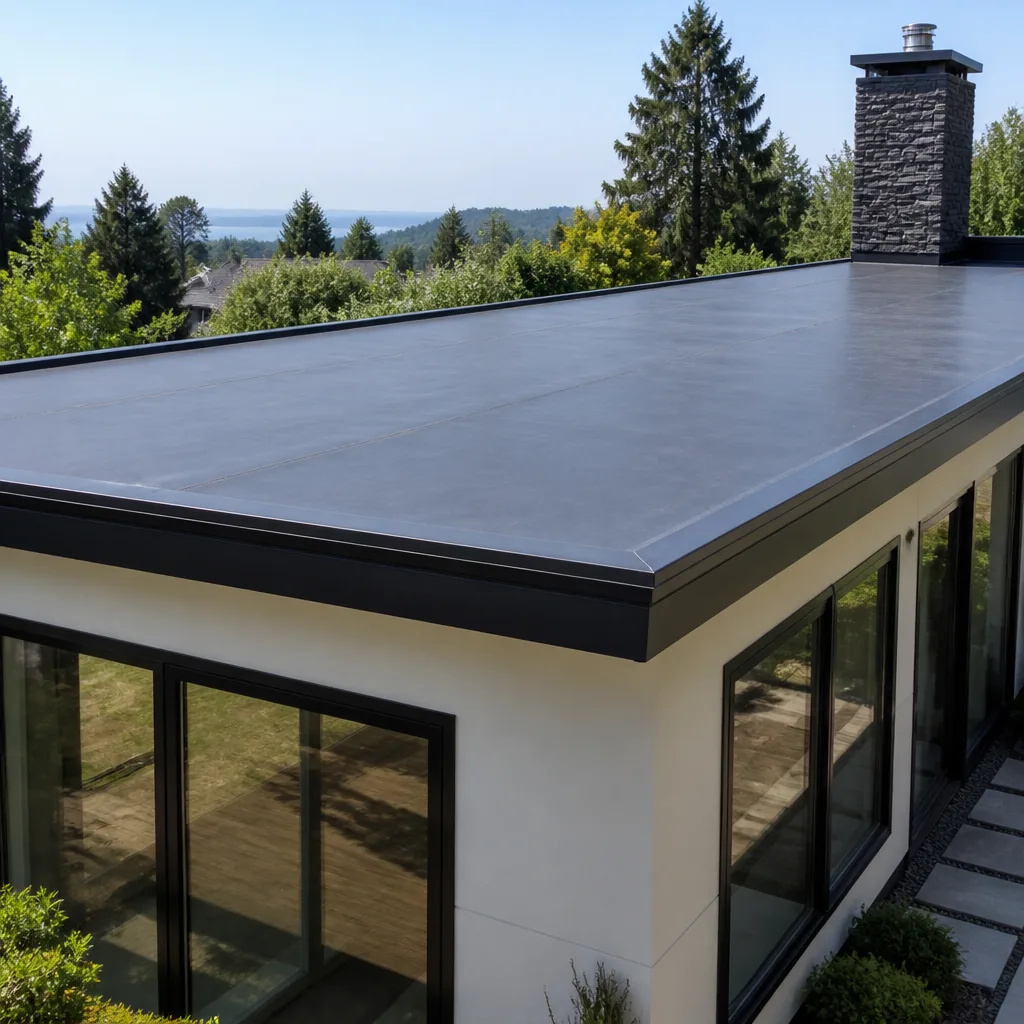 Flat & low-slope
Free roof inspection with deck photos before we talk money - GAF and Owens Corning certified installation
CertainTeed Flashing Replacement: The Houston Owner’s Guide
We stock and install CertainTeed-compatible flashing replacement parts across Houston, with most flashing jobs running $350 – $900 installed depending on location, accessibility, and how much surrounding material has to come apart. We carry common CertainTeed profiles on the truck, so a single-piece swap at a dormer or chimney can often be done the same day we look at it. Most Houston homeowners discover flashing failure the messy way: a brown stain spreading across the ceiling after a hard gully-washer, or water beading up on attic sheathing where the roof meets a wall. Flashing is the metal that sits at every roof transition, and when it fails, water finds the gap fast.

Tilehurst Roofing Houston is an independent roofing contractor. We’re not affiliated with CertainTeed, but we work with their products daily and carry matching flashing profiles for the roofing systems they build throughout the greater Houston area.
Which CertainTeed Models This Applies To
CertainTeed flashing products are used across nearly all of their shingle and roofing lines, including Landmark, Landmark Pro, XT 25, Presidential Shake, and its underlayment and valley systems. The flashing itself is not typically branded per shingle model. What matters is the profile: CertainTeed roof systems use standard L-flashing, step flashing, counter-flashing, and kickout flashing in galvanized steel, aluminum, or copper, and the dimensions are matched to the pitch and the cladding around the penetration.
Here’s the compatibility gotcha we see on older Houston homes: if your original flashing is a custom-bent single piece and a previous crew patched it with peel-and-stick membrane instead of metal, it will fail again, usually within two Houston summers. The heat breaks down the adhesive and the humidity does the rest. When we replace flashing on a CertainTeed system, we match the gauge and the profile to the existing roof, not just whatever is on the truck. OEM SureFlo flashing and matching aftermarket equivalents are both fine for most residential applications, but on copper valleys or very steep pitches we recommend staying with heavier-gauge metal, because the expansion and contraction cycles in Houston’s heat-and-rain swings will warp thin stock within a few years.
We also maintain material options beyond CertainTeed, including GAF and Owens Corning, so a partial repair doesn’t lock you into a mismatched system down the line.
Styles & brands we work with
Signs Your CertainTeed Flashing Replacement Is Failing
- Water stains on ceilings or walls near a roof joint. Flashing that has pulled away from the wall lets water track down the sheathing and into the interior. The stain often appears a few feet away from the actual leak, which is why the first patch job fails.
- Lifting or curling flashing edges along a chimney or skylight. Thermal expansion from Houston’s afternoon heat causes metal to work loose from its fasteners. Once an edge is raised, wind-driven rain gets pushed underneath.
- Rust or corrosion streaks on the metal itself. Galvanized flashing in a humid Gulf Coast climate gives you roughly 20 – 30 years before the coating fails. If you see orange streaks running down from a wall joint, the metal is nearing end of life even if it’s not leaking yet.
- Granule loss or cracking along the shingles right at a roof-to-wall transition. Flashing failure invites water under the shingles, which softens the mat and releases granules. The damage starts small and spreads sideways along the wall line.
- Mold or mildew smell in an upstairs room after heavy rain. Water that enters through failed flashing often soaks into insulation and framing, not drywall, so you smell it before you see it. By the time the ceiling stains, the repair has grown.
See the difference
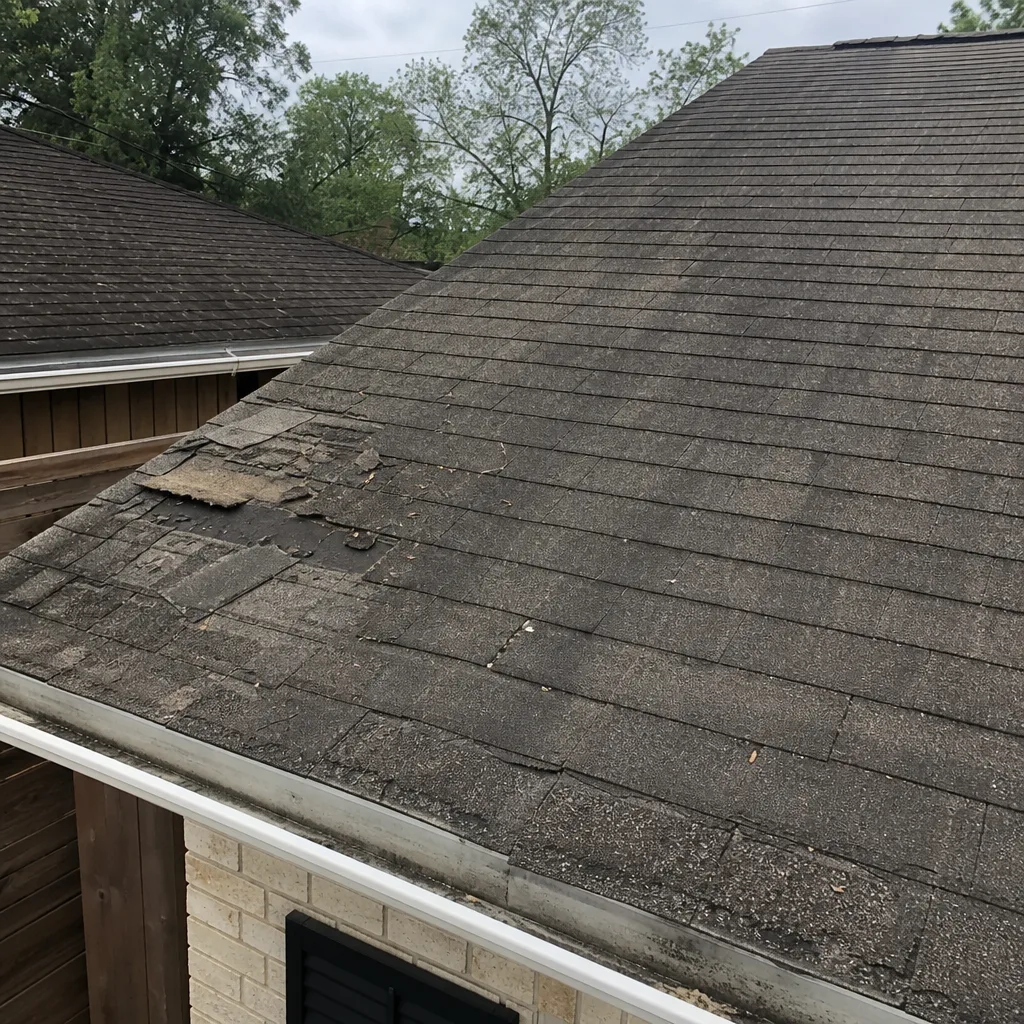 Before
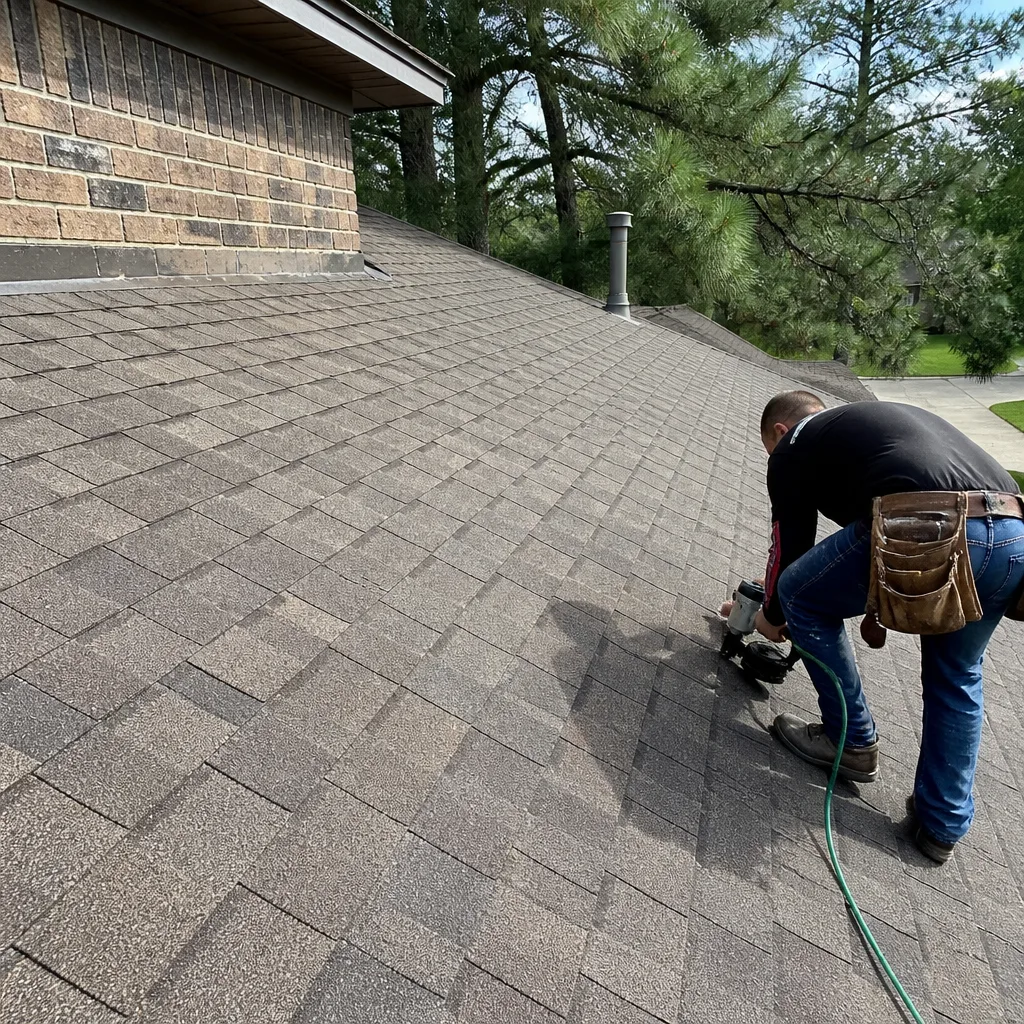 After
After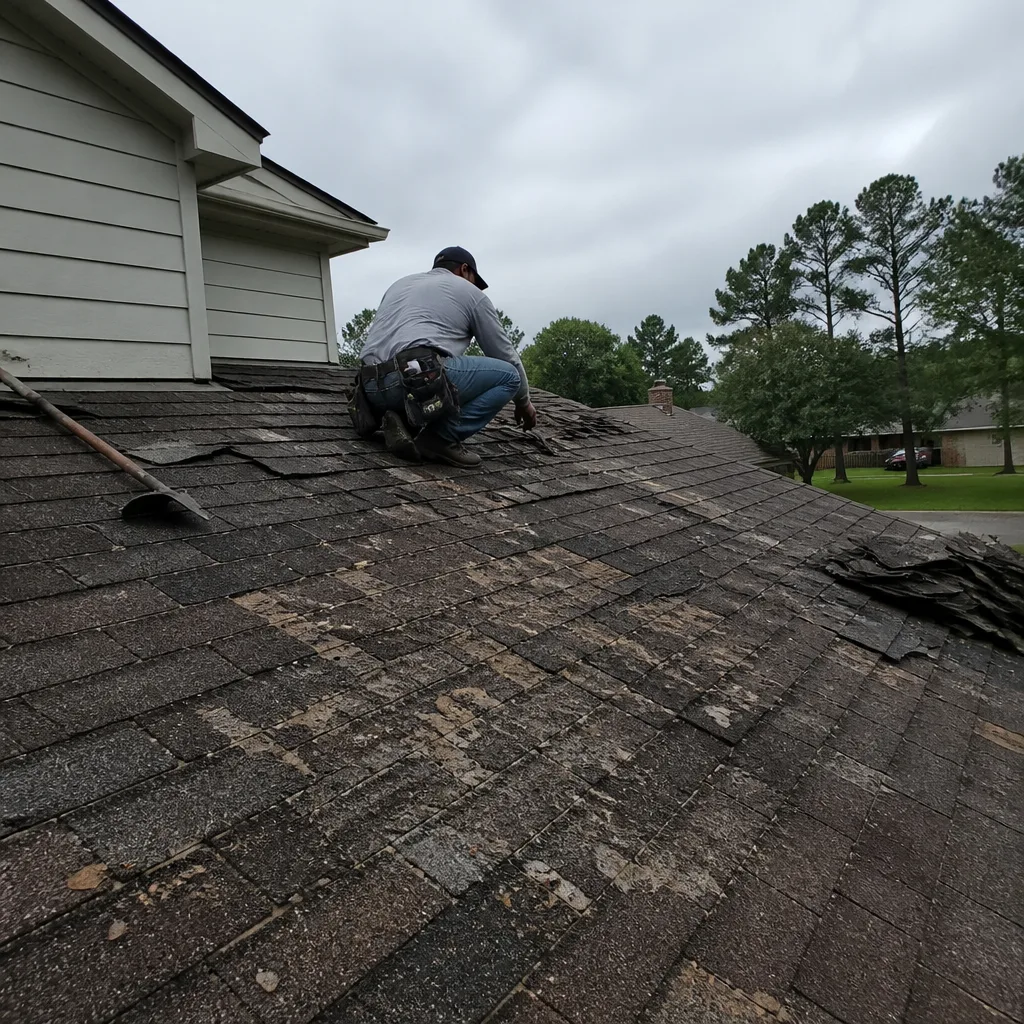 Before
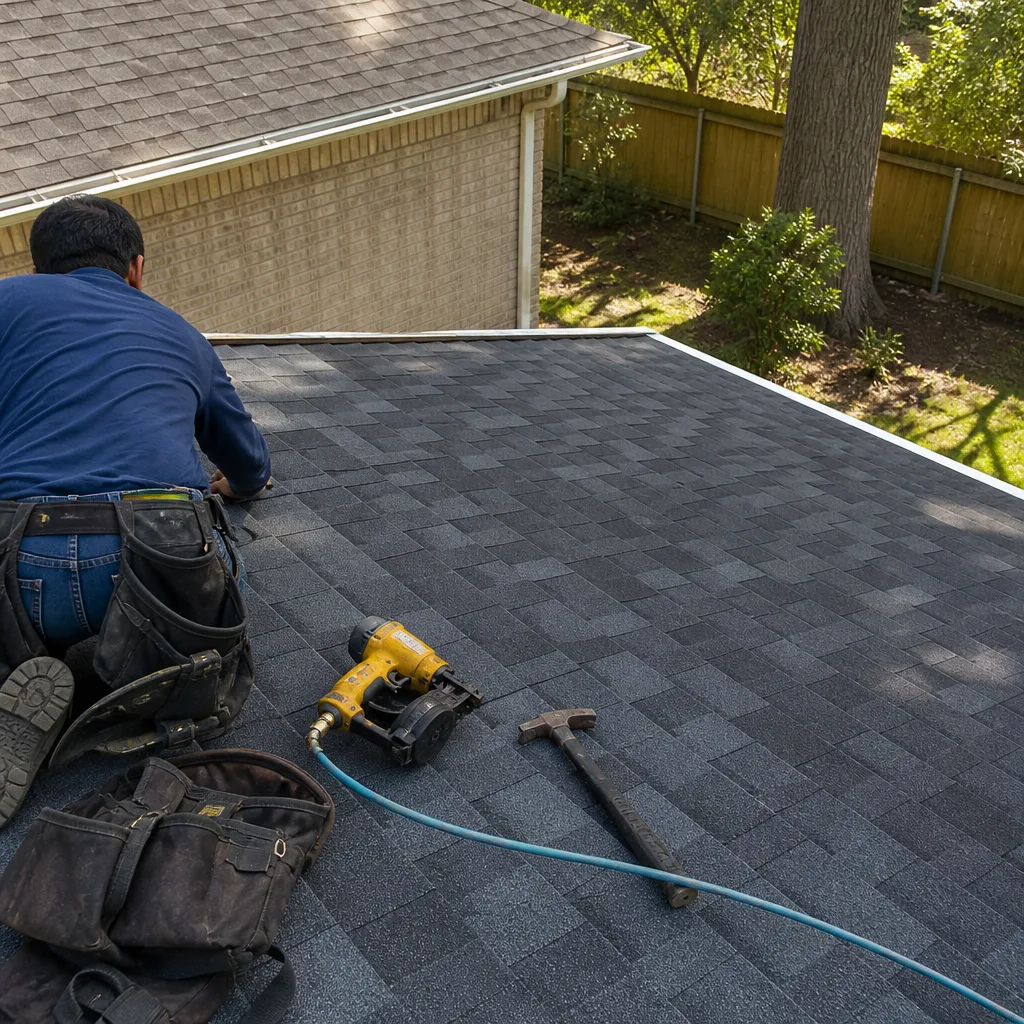 After
After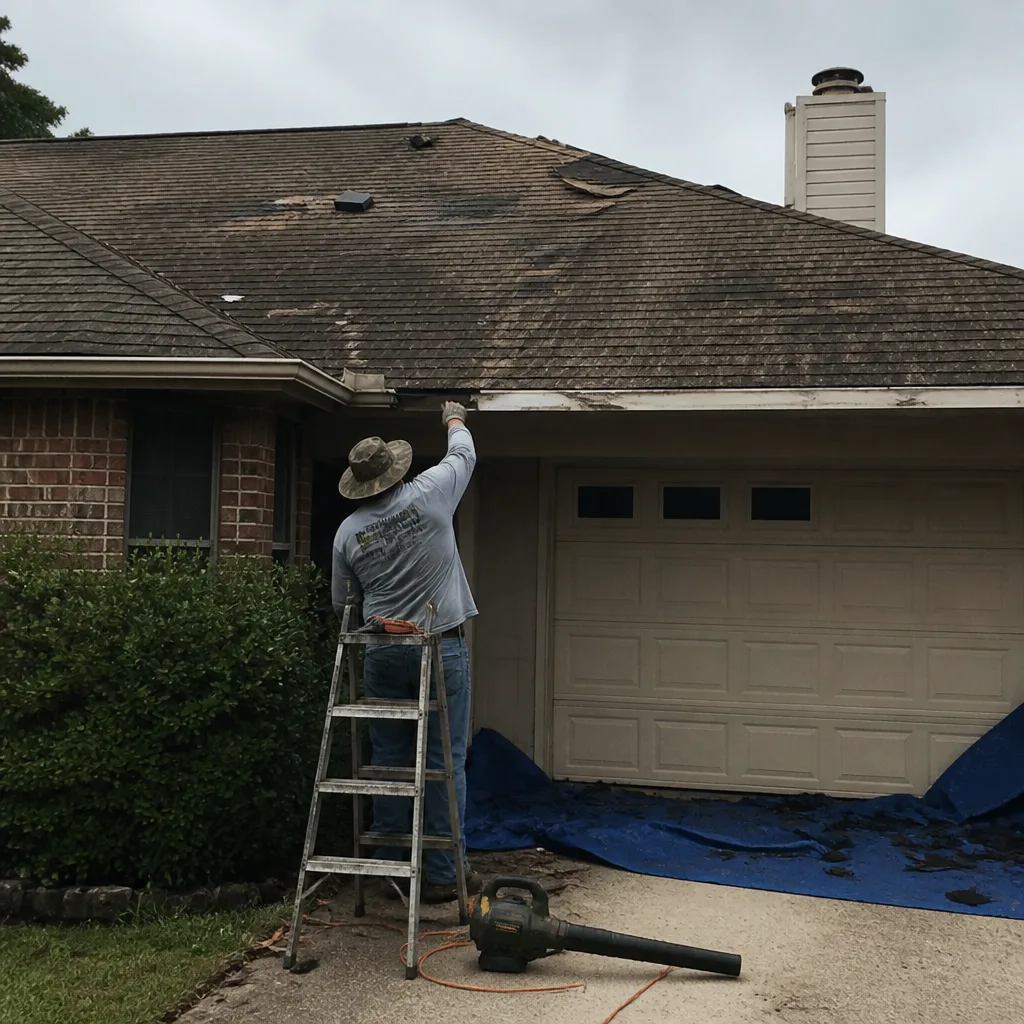 Before
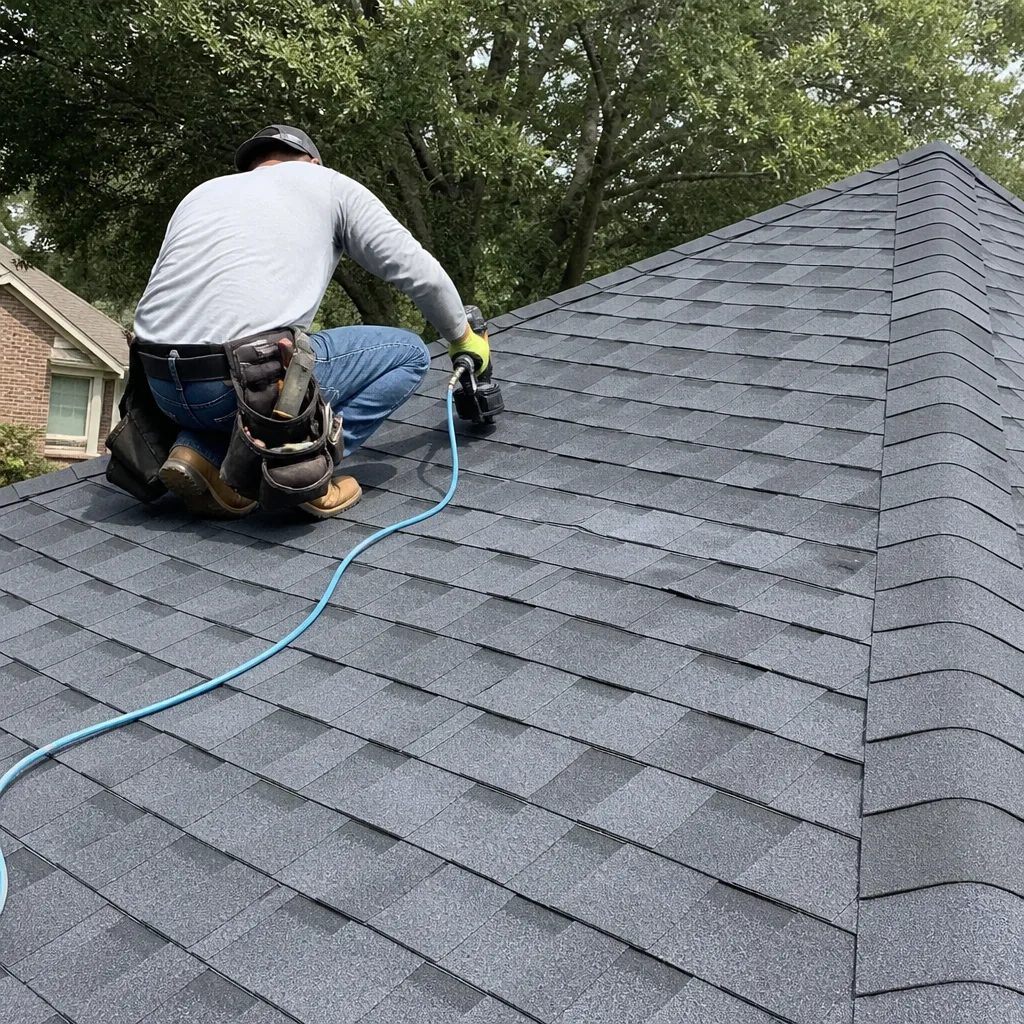 After
AfterReplacement Cost & What’s Included
In Houston, replacing flashing on a typical single chimney or a wall-to-roof junction runs $350 – $750 installed. If we’re replacing valley flashing along a longer run, or the job involves copper or heavy-gauge metal, expect $600 – $900. The range is driven mainly by how much shingle or siding has to be removed to set the new flashing properly. You’ll know the price before we touch the roof.
Every flashing job includes the metal itself, the removal of failed material, new fasteners and sealant, and re-bedding the surrounding shingles or tile. We write the line items out. You’ll see the parts cost and the labor cost separately, so there’s no mystery about what you’re paying for. And every repair leaves with a written guarantee. If it fails inside the guarantee period, we return at no charge under the 365-Day Done Right Promise, which is part of the Kingswell Guarantee every Tilehurst Roofing location operates under. That’s a written commitment, not a verbal promise.
DIY or Call Us?
A homeowner can safely inspect for obvious damage: lifted flashing edges, visible rust, missing fasteners, or caulk that has cracked away from the joint. You can also check the attic after a storm with a flashlight and look for water staining on the underside of the sheathing around any roof penetration. That’s the extent of the safe DIY work on a flashing failure.
Flashing replacement itself sits at a tricky intersection: you’re working at height, often on a ladder, and the repair only works if you understand how water moves. A patch that looks sealed from the ground can still leak because the overlap sequencing is wrong, and that’s the most common failure we fix after a handyman repair. If you’re comfortable with ladders and simple sealing jobs, you can buy yourself a short-term fix, but for anything involving chimney or valley flashing, we recommend a trained technician. Call (254) 566-3573 and we’ll walk the roof with you, show you exactly what failed, and give you a written price before you decide anything.
FAQs
Galvanized steel flashing typically lasts 20 – 30 years in Houston’s climate. Aluminum runs 15 – 25 years depending on proximity to the coast, and copper will often outlast the roof itself at 50 years or more. The rate of failure depends on exposure, pitch, and whether proper sealant was used at the original install. Call (254) 566-3573 for an exact assessment of your flashing’s condition, and we’ll tell you honestly if replacement is urgent or if you can plan for it.
Small cracks and lifted edges can sometimes be sealed and re-fastened as a temporary fix, but metal flashing that has rusted, bent, or pulled away from the wall generally needs replacement to stop the leak for good. We’ll always tell you if a repair will buy you time, but we won’t recommend a patch that won’t hold through the next Houston storm season. Call (254) 566-3573 for a straight answer on your specific situation.
Most single-penetration flashing replacements take 2 – 4 hours once we’re on the roof. Larger jobs, such as full valley replacement or copper work, can run half a day to a full day. We’ll give you a time window before we start, and we arrive in it.
We keep common galvanized and aluminum flashing profiles on the truck, sized for the kinds of roof transitions found on most Houston-area homes. Specialty orders, like copper or custom-bent lengths, usually arrive within a few days. When you call, we’ll tell you whether your job is a same-day fix or a scheduled replacement. Call (254) 566-3573 for a free estimate, and we’ll have the part identified before we climb the ladder.
Written by Greg Holloway, Owner, Tilehurst Roofing Houston at Tilehurst Roofing Houston, serving Houston and nearby areas.