

Last updated October 17, 2026
 Metal roofing
 Architectural shingles
 Tile roofing
 GAF
GAF Owens Corning
 Flat & low-slope
Free roof inspection with deck photos before we talk money - GAF and Owens Corning certified installation
Roofing Permits, Codes & Inspections in TX: What You Need to Know
In unincorporated Harris County, a full roof replacement technically requires a permit, but fewer than 40% of contractors pull one. Homeowners rarely ask, inspectors rarely show up uninvited, and the job looks finished either way. That gap becomes your legal liability the moment you sell the house, file a windstorm claim, or discover the decking was never nailed to current code. This guide walks through the Houston-area permit system, what inspectors actually check, and the paperwork that protects your home’s value. For a broader overview, see The Complete Guide to Roofing in Houston. You’ll learn which jurisdiction you live in, what changed with the 2021 International Building Code adoption, and the one document you should never let a contractor leave without.
Styles & brands we work with
Quick Answer
Roofing permits in Texas are issued at the city or county level, and the requirements differ sharply between the City of Houston and unincorporated Harris County. A full roof replacement in Houston proper requires a permit, an inspection, and a final sign-off tied to the 2021 International Building Code. Skipping the permit can void your shingle warranty, stall a future home sale, and give your insurer a reason to reduce or deny a claim payout. The safe path: ask your contractor for a permit number before work starts and a final inspection report after it closes.
Table of Contents
- Who Actually Requires a Roofing Permit in the Houston Area
- City of Houston vs. Unincorporated Harris County: Not the Same Rules
- What the 2021 International Building Code Changed for Houston Roofs
- What the Inspector Actually Checks: A Plain-Language Walkthrough
- The Paper Trail: Which Documents to Keep and Where
- How Unpermitted Work Affects Your Insurance Claim
- Common Mistakes to Avoid
- When to Call a Professional
- Frequently Asked Questions
- The Bottom Line
Who Actually Requires a Roofing Permit in the Houston Area
Texas does not have a single statewide roofing permit. The requirement comes from the city or county where the house sits. That means a homeowner in Meyerland, a homeowner in Katy, and a homeowner in an unincorporated pocket near Cypress can face three different sets of rules for the same shingle job. In our experience across Houston, most homeowners find this out only after a contractor tells them no permit is needed, or after a neighbor asks where to file a complaint. The honest answer: where you live determines whether a permit is a formality, a requirement, or a gray zone.
The City of Houston requires a permit for any roof replacement that involves removing and replacing the roof covering, decking, or structural components. A simple repair, like replacing a few missing shingles or resealing a pipe boot, does not trigger the same requirement. But the moment a crew tears off shingles down to the decking and installs new underlayment, the city considers it a reroof, and the permit requirement kicks in. Contractors who skip this step are not saving you money; they are transferring risk to you. If the work fails, the city has no record it ever happened, and your warranty claim with the manufacturer starts from a position of weakness.
Some surrounding municipalities, including Pasadena, Pearland, Sugar Land, and League City, operate their own permit offices with similar reroof triggers. If you live inside any incorporated city limits, call that city’s building department and ask two questions: does a reroof require a permit here, and what version of the building code is currently enforced. Write down the answers, the date, and the name of the person you spoke with. That notebook entry has settled more contractor disputes than any verbal promise.
City of Houston vs. Unincorporated Harris County: Not the Same Rules
The single biggest misconception in the Houston roofing market is that Harris County enforces the same permit rules as the City of Houston. It does not. Harris County has no building code for residential structures outside incorporated city limits. In unincorporated areas, a homeowner can legally replace a roof without any county-issued permit, because the county does not issue one. That is why the <40% figure in the opening is so common: many crews working unincorporated Harris County skip permits because no county inspector will ever show up to flag it.
But here is what most guides miss. “No county permit required” does not mean “no code applies.” Your insurance policy, your mortgage lender, and your shingle manufacturer’s warranty all reference the current building code as a condition of coverage. If the roof is installed to a standard below the 2021 International Building Code, the manufacturer can deny a material defect claim. The insurer can argue the roof was not maintained or installed to a reasonable standard. And the lender can flag the property condition during a refinance. In unincorporated Harris County, the permit is optional, but the code compliance is not.
Some homeowners in unincorporated areas choose to hire a third-party inspector to review the completed roof against the 2021 IBC anyway. That voluntary inspection creates a paper trail that would otherwise not exist. It costs a few hundred dollars and gives you a document that functions like a permit close-out: dated, signed, and specific about what was checked. For homeowners planning to sell within five years, that document can be worth more than the inspection fee. A roofing company in Houston that works in both jurisdictions should be able to explain which rules apply to your specific address before the first shingle comes off.
What the 2021 International Building Code Changed for Houston Roofs
Texas adopted the 2021 International Building Code as its base residential standard, and the City of Houston enforces it. Two changes matter most for reroofs: decking fastener schedules and underlayment requirements. Older homes in Houston, especially those built before 2000, often have decking nailed with 8d nails at 12 inches on center or wider. The 2021 IBC requires a tighter schedule: 8d nails at 6 inches on center along panel edges and 12 inches on center in the field. When a crew tears off an old roof, an inspector will check for nail pops, rotted sections, and whether the existing decking meets that fastener standard. If it does not, the decking must be re-nailed or replaced before underlayment goes down. That is a code requirement now, not a contractor’s upsell.
Underlayment changed too. The 2021 code recognizes synthetic underlayments and self-adhered ice and water shield in a way older versions did not. For Houston’s climate, which means sudden downpours and high humidity, the code now treats the underlayment as part of the waterproofing system, not just a temporary cover while shingles go on. Some homeowners on older homes find their roof has “grandfathered” conditions: if only a portion of the roof is being reroofed and the existing decking was installed under an older code, the inspector may allow that section to remain as-is, provided it is sound. But “sound” is the inspector’s call, not the contractor’s. When in doubt, replace the questionable decking while the roof is open. It is a line item on the written price, not a surprise change order.
What the Inspector Actually Checks: A Plain-Language Walkthrough
A City of Houston reroof inspection is not a white-glove ceremony. It is a practical review of the roof’s waterproofing assembly, done from the ground or with a ladder. The inspector is checking for two things: whether the work matches the submitted permit description, and whether the installation meets the minimum code. Here is what the checklist includes, in plain language:
The Decking Inspection
- Decking condition: The inspector looks for rot, delamination, or soft spots in the plywood or OSB. Any section that flexes or shows water staining fails.
- Fastener pattern: Nails must hit the 6-inch-on-center edge spacing and 12-inch field spacing required by the 2021 IBC. If the crew re-nailed the decking, the inspector may ask to see the work before underlayment covers it, which is why a good contractor photographs every step.
The Underlayment Inspection
- Lap direction: Underlayment must lap like shingles: upper layer over lower layer, so water runs off, not in. Reversed laps are a common fail point in Houston’s horizontal downpours.
- Fasteners: Plastic caps or staples must meet the spacing listed in the manufacturer’s instructions, which the code incorporates by reference. Loose, overdriven, or misaligned fasteners get flagged.
- Valleys and eaves: The inspector checks that ice and water shield or a double layer of underlayment is present in valleys and along eaves, where Houston’s wind-driven rain concentrates.
The Flashing and Ventilation Check
- Flashing: Drip edge along the eaves, step flashing at walls, and counter-flashing at chimneys must be properly lapped and sealed.
- Ventilation: Ridge vents, soffit vents, or box vents must be present and unblocked. The code assumes attic ventilation is part of a functional roof system, not an add-on.
- Ridge cap: The cap shingles must be properly aligned and sealed, not just slapped over the ridge with exposed nails.
If any of these fail, the inspector issues a correction notice. The contractor fixes the issue and schedules a reinspection. A homeowner who never sees this checklist cannot know whether the crew skipped a step until water shows up in the ceiling. Ask your contractor to walk you through the inspection checklist before the inspector arrives. If they cannot, that answer is itself a piece of information.
The Paper Trail: Which Documents to Keep and Where
Most Houston homeowners treat roofing paperwork like a receipt from a drive-through: glance at it and toss it. That is a costly habit. A permitted reroof should leave you with a small folder of documents that protects you for the life of the roof and beyond the sale of the home. Here is what to request, in order:
- The permit number and a copy of the permit application. This proves work was authorized, dated, and described accurately. Request it before the crew starts, not after.
- The final inspection report with a green tag or pass notation. This is the city’s written confirmation that the completed roof met code. It is the single most important document in the folder.
- The manufacturer’s material warranty registration. This ties your shingles, underlayment, and accessories to your address and the install date. Without it, the warranty is often unrecoverable.
- The contractor’s workmanship warranty in writing. This should state exactly what is covered, for how long, and what happens if a repair fails. At Tilehurst Roofing Houston, every repair includes a written guarantee before the crew leaves the driveway.
- Photos of the roof at each stage: decking, underlayment, and finished shingles. Store these digitally with the warranty. They document that the work happened and what condition the decking was in before it was covered.
Keep this folder somewhere that survives a move: a fireproof box, a safe deposit box, or a cloud drive with a backup. When you sell the house, hand the folder to the buyer’s inspector. When you file an insurance claim, reference the documents. When you call for a roof repair in Houston five years from now, that folder tells the contractor what was installed and when. The absence of this folder is what stalls home sales and gives insurers leverage. The presence of it costs nothing and argues on your behalf.
How Unpermitted Work Affects Your Insurance Claim
Texas homeowners insurance policies contain language that most policyholders never read: coverage is conditioned on the home being built and maintained in compliance with applicable codes. When a roof is replaced without a permit in a jurisdiction that requires one, the insurer can argue the work was not code-compliant, because no inspector ever confirmed it. That argument becomes the basis for a reduced settlement, a denied claim, or a policy nonrenewal.
Here are the three scenarios we see most often in Houston:
- The windstorm claim: A hailstorm damages a roof that was replaced unpermitted. The adjuster asks for the permit. When none exists, the insurer may reduce the replacement cost payout by the amount attributable to any code-related deficiencies, or deny coverage for the roof entirely.
- The water damage claim: A roof leak damages a ceiling. The adjuster finds no permit record and notes the roof was likely installed without inspection. The claim can be denied on the grounds that the loss was caused by faulty workmanship, which most policies exclude.
- The resale trap: The buyer’s inspector flags the unpermitted roof. The buyer’s lender refuses to close until the roof is permitted retroactively, which is expensive and sometimes impossible. The seller is now negotiating from a position of weakness on price, or losing the sale entirely.
The fix is not to retroactively permit a years-old roof, which is complicated and rarely works. The fix is to permit the roof when it is replaced and keep the final inspection report. That single document turns a potential claim dispute into a straightforward one. A roof replacement in Houston without a permit saves a few hundred dollars on the front end and can cost tens of thousands on the back end. The math is not close.
Common Mistakes to Avoid
- Assuming all of Harris County has the same rules as Houston. Unincorporated Harris County does not issue residential roofing permits. The City of Houston does. Check your actual address, not your mailing address.
- Taking the contractor’s word that “this area doesn’t need permits.” Some crews say this to save themselves a trip to the permit office. Call the building department yourself and confirm before the tear-off starts.
- Skipping the inspection because the roof looks fine. The inspector checks what is under the shingles: decking fasteners, underlayment laps, and flashing details. A roof can look perfect and still fail the underlying assembly.
- Not requesting the final inspection report. The permit is not the end of the process. The final inspection sign-off is the document that matters at resale and in an insurance claim. Ask for a copy before the crew leaves the final day.
- Filing the warranty but not the permit. The shingle manufacturer may honor the material warranty, but that warranty does not prove code compliance. The permit and inspection report do.
- Hiring based on price alone and waiving the written line-item quote. A low bid that skips the permit and the decking re-nail is not a deal. It is a future claim dispute and a future sale stall.
When to Call a Professional
You should call a roofer before the permit question becomes an emergency deadline. If you are selling your home and the buyer’s inspector flagged the roof, call while you still have leverage. If a hailstorm just passed through and your adjuster asked for a permit number you do not have, call before you sign anything. If you are planning a reroof and you want a contractor who handles the permit, the inspection, and the final paperwork without you having to chase it down, call early enough to compare written quotes side by side. Tilehurst Roofing Houston offers free estimates in Houston, with a written price before any work starts, and our team handles the permit process for reroofs in the City of Houston and explains the difference for unincorporated Harris County. Call (254) 566-3573 to schedule yours.
Frequently Asked Questions
A reroof permit in the City of Houston typically runs between $100 and $400, depending on the roof’s square footage and the valuation listed on the application. That cost is a line item on your contractor’s estimate, not a hidden fee. If a quote does not mention the permit at all, ask whether it includes the permit fee and the inspection. Call (254) 566-3573 for an exact quote that includes every line item, written before any work begins.
In unincorporated Harris County, yes, a homeowner can replace a roof on their own home without a county permit, because no county permit requirement exists. Inside the City of Houston and most incorporated suburbs, a permit is required for a reroof even if you do the work yourself. In every jurisdiction, the work still must meet the current building code. A homeowner who self-installs and later files an insurance claim bears the full burden of proving code compliance without an inspector’s sign-off.
The work is recorded as unpermitted, and the city can require a retroactive permit, which involves opening part of the roof for inspection. In practice, this rarely happens until a sale or a claim forces the issue. At that point, the homeowner is responsible for resolving the permit, not the contractor who skipped it. A contractor who habitually skips permits is also unlikely to honor a long-term warranty, because the warranty would expose the permit gap.
No. Small repairs, such as replacing a few shingles, resealing flashing, or fixing a pipe boot, do not require a permit in the City of Houston. A repair crosses into reroof territory when the crew tears off an entire slope or the whole roof and replaces the underlayment. If you are unsure, ask the repair technician to explain whether the work is a repair or a reroof, in writing.
A simple reroof permit can be issued the same week, often within a few days, when the application is complete. The inspection is scheduled after the work is done, typically within a week. Delays usually come from incomplete applications, missing contractor information, or a reinspection after a failed first check. A contractor who handles permits regularly should be able to give you a realistic timeline before any shingles are ordered.
That depends on how the contractor priced the job. A written line-item quote that anticipates decking replacement, with a per-sheet price for damaged plywood, means the price is known before work starts. A vague estimate that says “decking as needed” invites a costly surprise. Ask for the per-sheet decking price in writing before you sign. Every Tilehurst Roofing Houston quote includes a written price before any work starts, with decking priced per sheet, so the number is on the paper, not a change order later.
No manufacturer’s warranty covers a roof that was installed without required permits, because the warranty is conditioned on code-compliant installation. GAF, CertainTeed, IKO, Owens Corning, and Atlas all state in their warranty terms that the installation must meet local building codes, and a permit is the proof that it did. When we install a replacement roof in Houston, we pull the permit and keep the inspection report tied to the warranty registration, so the manufacturer’s coverage and the city’s sign-off both point to the same roof.
Yes, if the roof is over 10 years old or if you have no permit records for the last replacement. A seller who gets a pre-listing roof inspection can fix small issues before the buyer’s inspector finds them and avoid negotiating under deadline pressure. If the roof was replaced during your ownership, gather the permit, the final inspection report, and the warranty, and put them in a folder for the buyer. That folder can be the difference between a clean close and a stalled escrow.
The Bottom Line
Roofing permits in Texas are not a bureaucratic nuisance. They are the only proof that your roof was installed to code, which is what your insurer checks when you file a claim and what a buyer’s inspector checks when you sell. In the City of Houston, the permit is required and the inspection is real. In unincorporated Harris County, the permit does not exist, but the code still does. Either way, the paper trail is yours to keep or to lose. Ask for the permit before work starts. Ask for the final inspection report after it closes. Store both with the warranty. And if you want a roofer who handles all of it without being asked, call (254) 566-3573 for a free estimate, or explore more guides & resources. We’ll put the price in writing and the permit in motion, so the next time someone asks about your roof, you have the answer in the folder.
Written by Greg Holloway, Owner at Tilehurst Roofing Houston, serving Houston since 2000.
See the difference
 Before
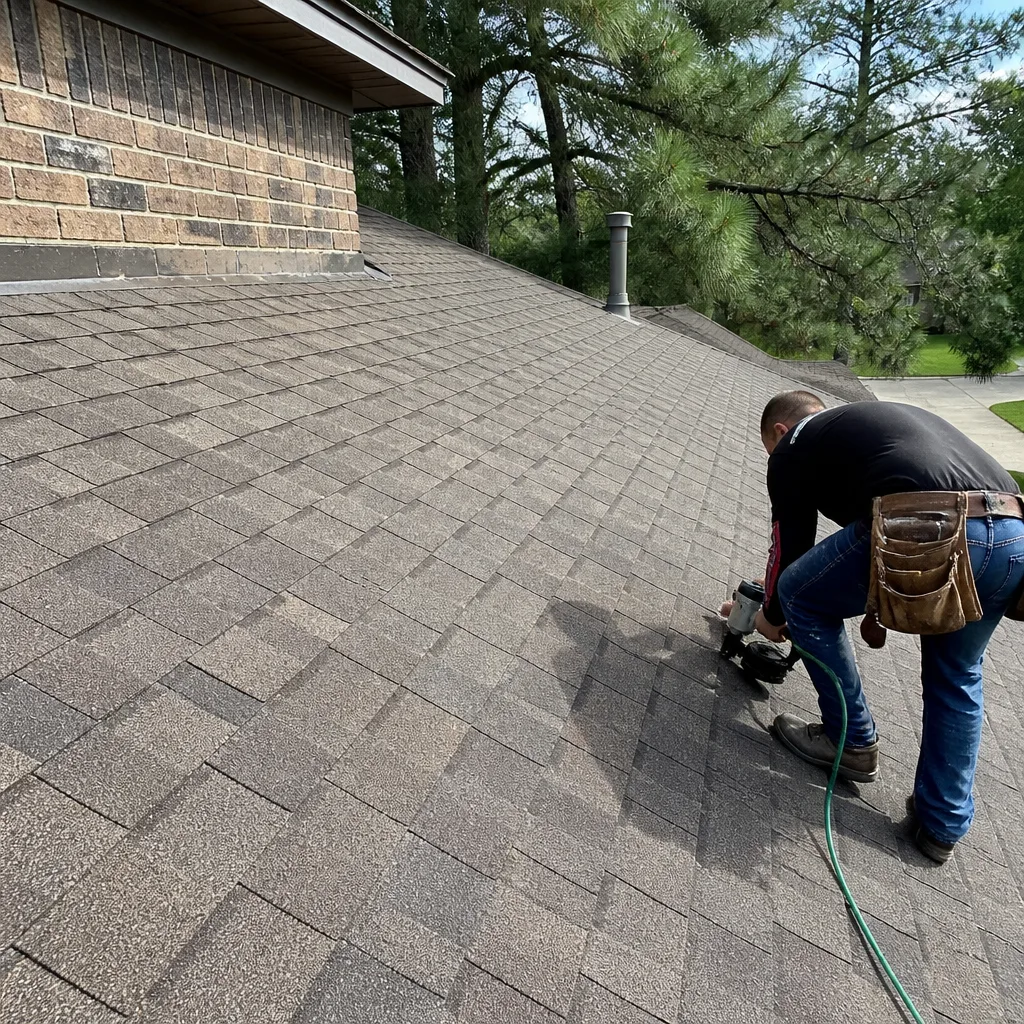 After
After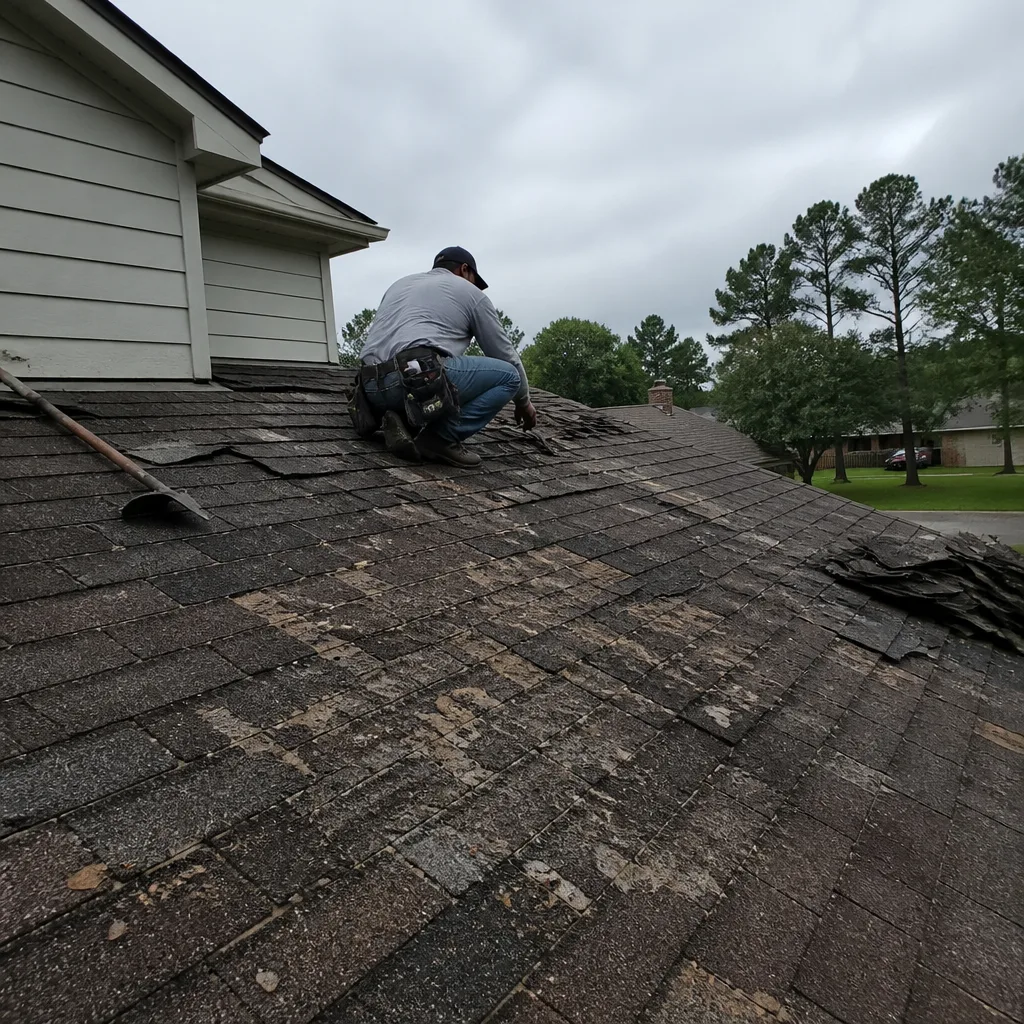 Before
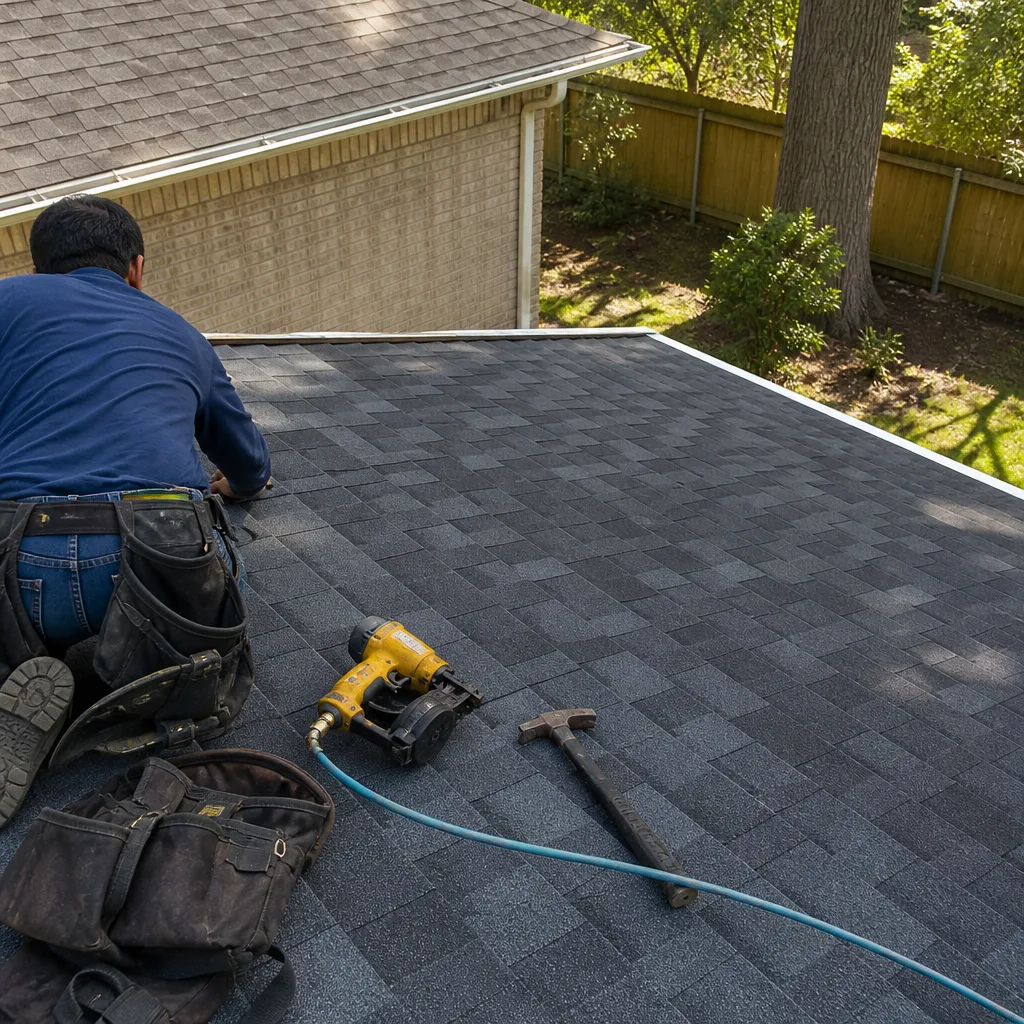 After
After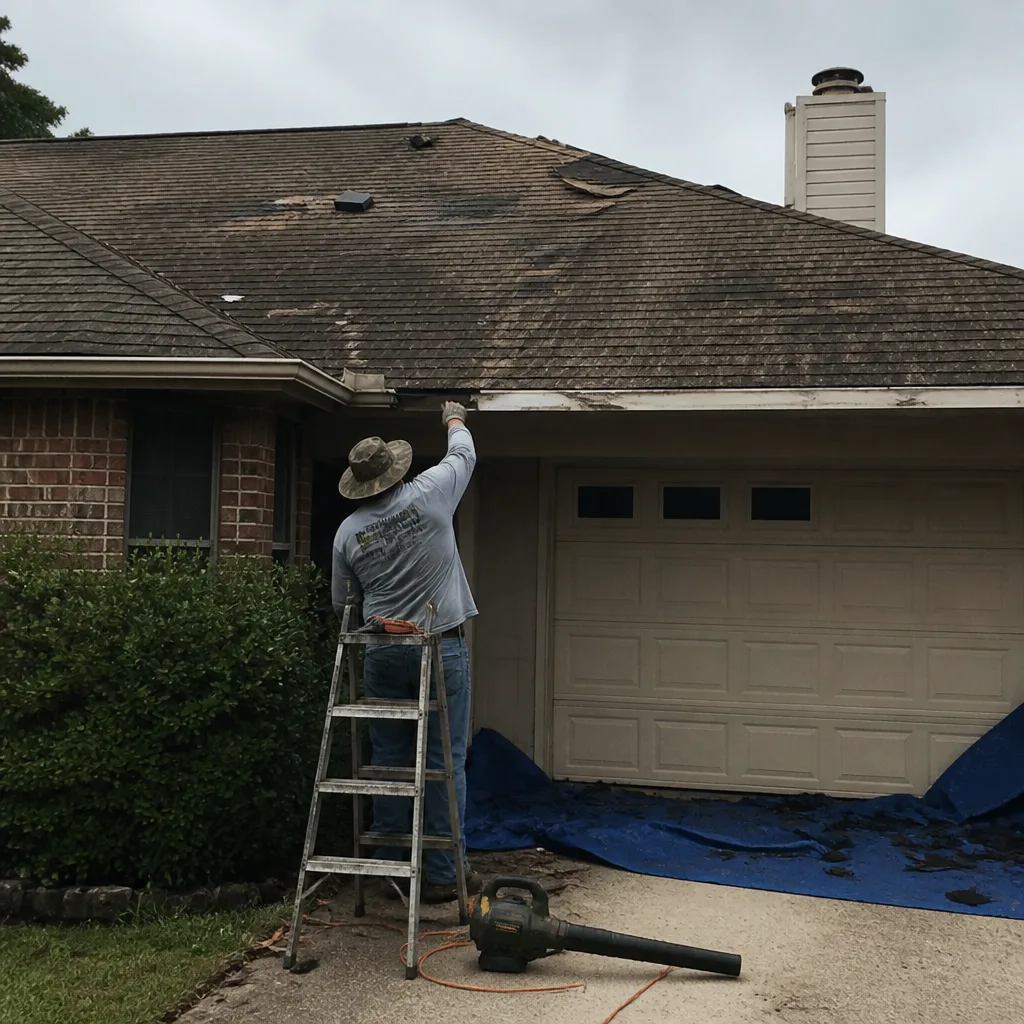 Before
 After
After