

Last updated October 17, 2026
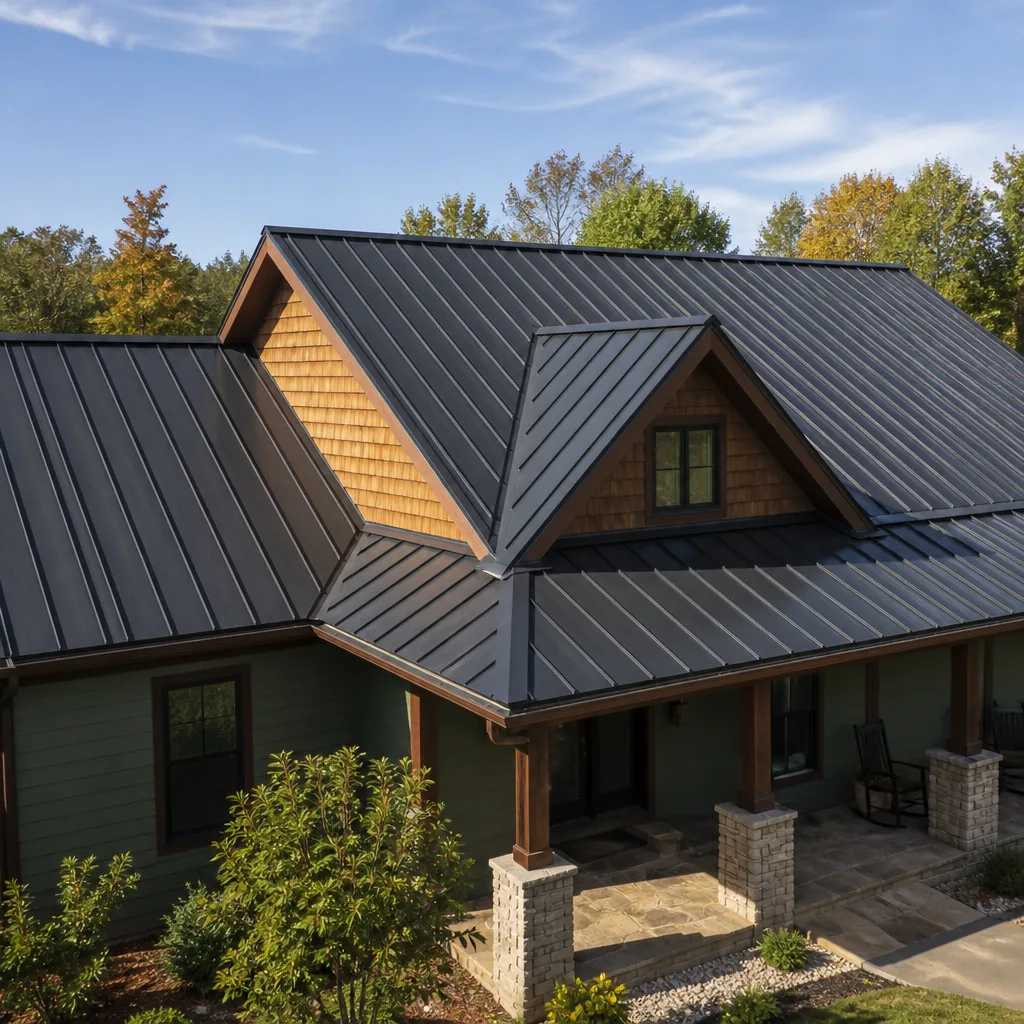 Metal roofing
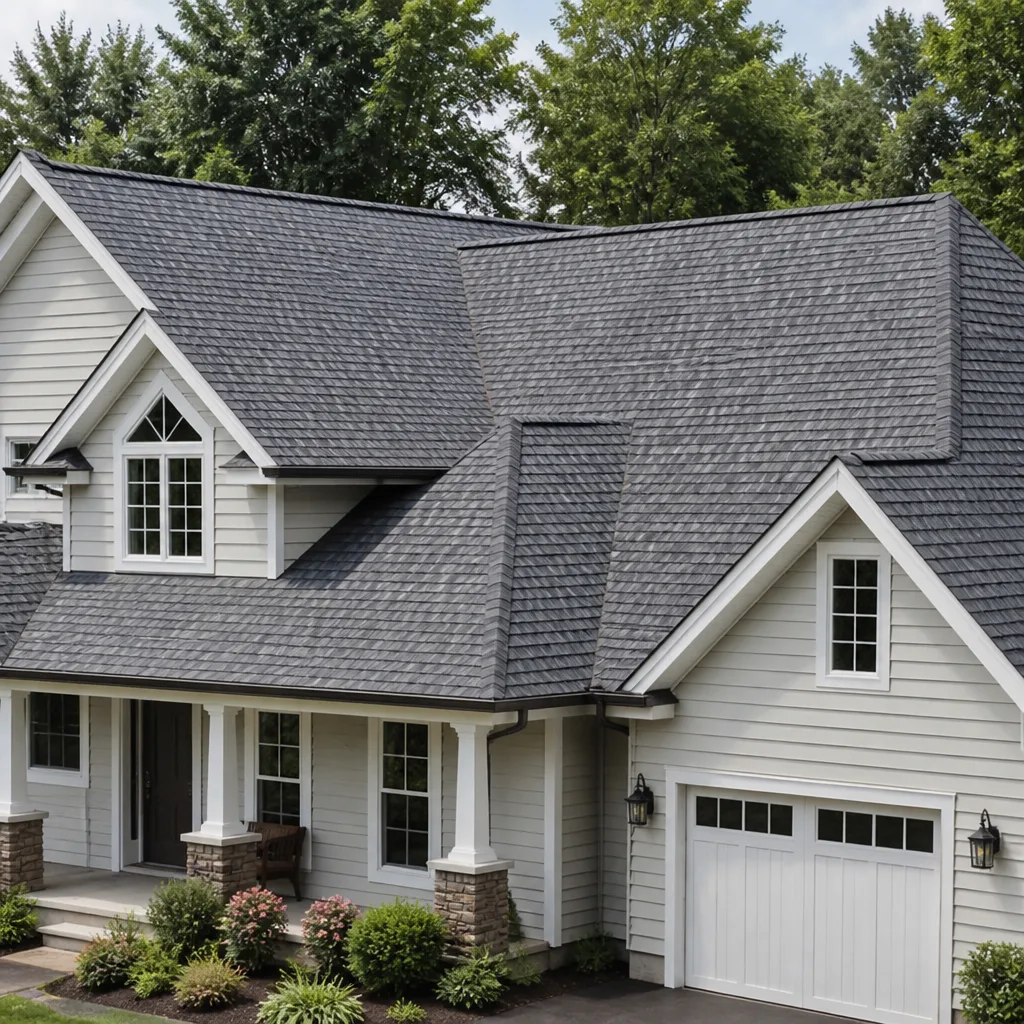 Architectural shingles
 Tile roofing
 GAF
GAF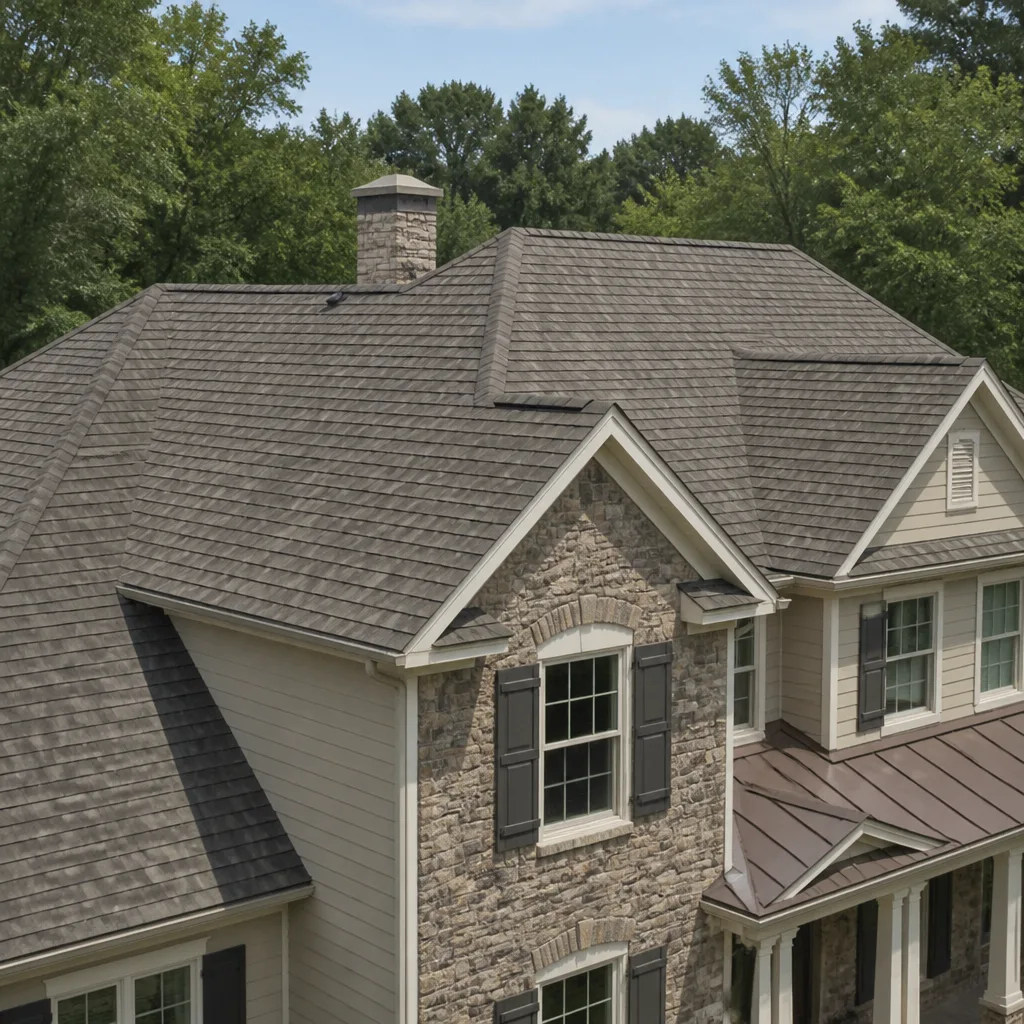 Owens Corning
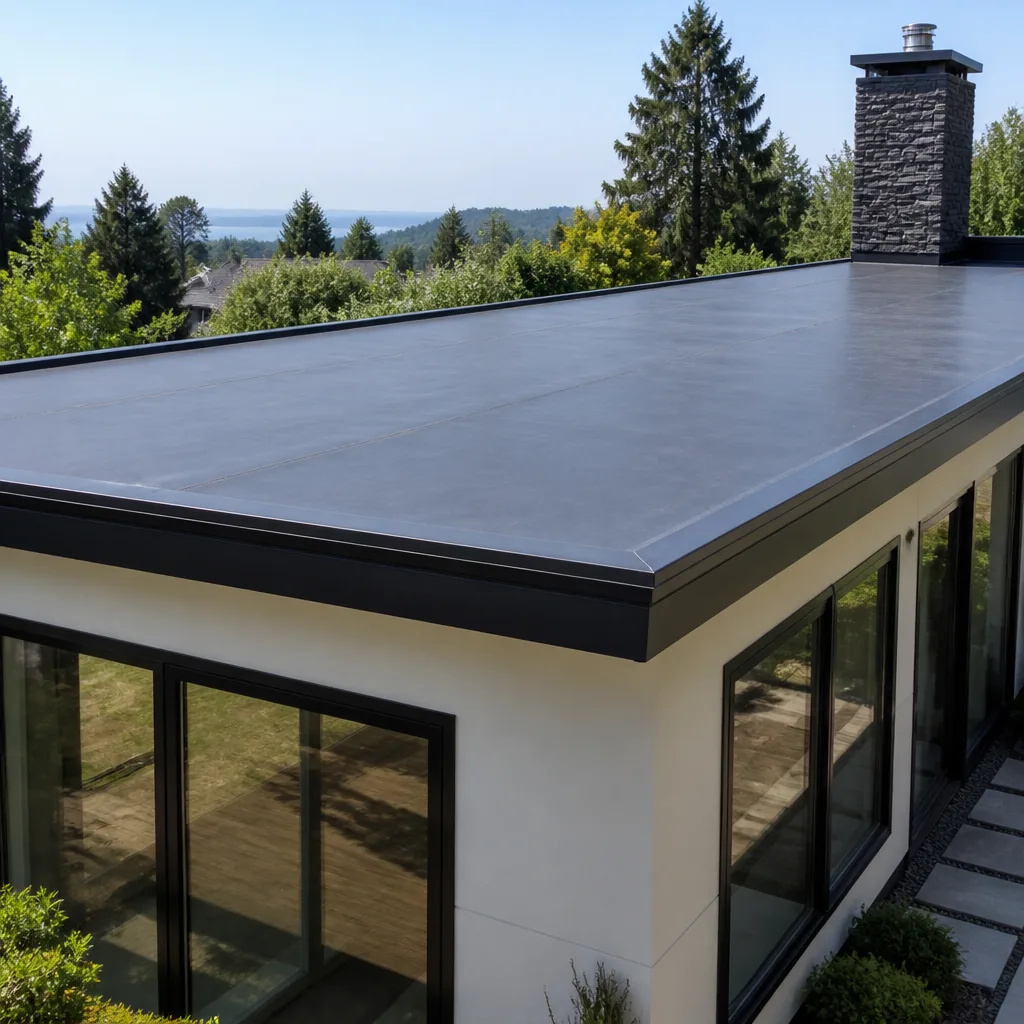 Flat & low-slope
Free roof inspection with deck photos before we talk money - GAF and Owens Corning certified installation
Seasonal Roofing Care for Houston: Year-Round Homeowner’s Guide
Most Houston homeowners think August is the month their roof takes its worst beating. It isn’t. The damage that shows up as a “sudden” summer leak usually starts in February, when a brief hard freeze follows weeks of thermal expansion. Flashing that loosened all summer finally cracks under ice contraction, hairline fractures in sealant open into channels, and by the time the first tropical storm rolls through in June, water has a clear path into your decking. This guide is written for Houston’s actual weather patterns, not the generic four-season templates you’ll find online. You’ll learn what to check month by month, what a hurricane-prep inspection should actually include, and which tasks determine whether your roof lasts 12 years or 25.
Styles & brands we work with
Quick Answer
Seasonal roof care in Houston comes down to two maintenance windows: a February-to-March post-freeze inspection and a September-to-October pre-hurricane hardening check, plus one attic ventilation review every fall. Most asphalt-shingle repairs in the Houston area run $350 to $900 depending on flashing complexity, while full replacement typically ranges from $9,500 to $16,000 for an average single-family home. If you do nothing else, check your flashing and sealant in late winter and your attic ventilation in October.
Table of Contents
- The Houston Weather Reality Most Calendars Ignore
- The Houston Month-by-Month Roof Care Calendar
- Hurricane Prep: The June – November Inspection Most Homeowners Skip
- The Urban Heat Island Effect and Your Shingles
- The Fall Attic Ventilation Check That Prevents Winter Rot
- The Post-Freeze Checklist for Houston Roofs
- Material Choices That Hold Up in Houston’s Climate
- Common Mistakes to Avoid
- When to Call a Professional
- Frequently Asked Questions
- The Bottom Line
The Houston Weather Reality Most Calendars Ignore
Houston doesn’t have four seasons. It has a hurricane half and a freeze-risk half, with a three-week spring that can throw baseball-sized hail and a fall that swings between drought-cracking heat and tropical moisture. Any seasonal roof care calendar built for the rest of the country will miss what actually damages roofs here.
In our experience working on roof repair in Houston, we see the same pattern every year: homeowners who follow national maintenance advice check their roof once in spring and once in fall. That schedule misses the two events that do the most hidden damage in southeast Texas: the February freeze cycle and the September transition from dry heat to sustained humidity. The thermal expansion and contraction between a 75-degree afternoon and a 28-degree night is brutal on flashing, sealant, and any roof penetration like a vent pipe or chimney. A stretch of 40-degree temperature swings over two weeks will open a gap in sealant that three years of steady heat wouldn’t touch.
Houston’s humidity adds another variable most guides don’t address. A roof deck in Houston holds moisture almost year-round. When that moisture meets a cold snap, the wood contracts and the fasteners shift. When it meets a hot afternoon, the trapped moisture expands as vapor and pushes against the shingle mat. That cycle, repeated a few hundred times, is why Houston roofs age faster than the same materials would in Dallas or Austin.
The Houston Month-by-Month Roof Care Calendar
Here is the calendar we’d give a homeowner in Houston who wants to stay ahead of roof problems without spending every weekend with a ladder. Each task is tied to what the weather is actually doing that month in this region.
January: Visual Check After Holiday Decorations
January is a slow month for roof work in Houston, which makes it a fine time for a ground-level visual inspection. Look for missing or lifted shingles along the eaves, any sagging in the ridge line, and granules collecting in gutters. December decorations, especially clip-on lights along the roofline, can loosen drip edge and pull at flashing. If you see granule-heavy runoff in a downspout, note it. That granular loss tells you the shingle mat is shedding its UV protection faster than normal, and Houston’s sun is the primary cause.
February: The Month Hidden Damage Happens
February is the single most important inspection month in Houston. A hard freeze following warm weeks causes thermal shock, and the first place it shows is flashing. Check where the roof meets any vertical surface: chimneys, vent pipes, skylights, and wall junctures. Sealant that looks cracked, pulled away, or powdery needs attention before spring rains arrive. Look in the attic during the cold morning for any daylight showing through the decking. A pinhole of light is a future water entry point.
March: Post-Freeze Repair Window
By early March, Houston’s freeze risk is mostly behind us. This is the month to complete any repair identified in February. The weather is mild enough for sealant to cure properly, and the spring storm season hasn’t started. If your flashing needs re-sealing, expect to pay roughly $200 to $450 for a typical vent pipe or wall flashing repair. That’s a fraction of the $3,000 to $6,000 a leak left unaddressed can cost by July once decking begins to rot.
April: Hail Season Begins
Houston’s hail season peaks between March and May, with April being the most active month. After any hail event, check for dents in the soft metal components first: roof vents, flashing, and gutter downspouts. Then walk the yard and look at shingle granules. If you see circular “bruises” on shingles or a heavy concentration of granules at the base of downspouts, call a professional for a closer look. Most insurance policies in Texas have a one-year window to file hail claims, so document what you find when you find it.
May: Pre-Summer Debris Clearing
May is the last comfortable month before July’s heat. Clear valleys, gutters, and the area behind chimneys of leaves, pollen, and twigs. Houston’s spring pollen load is substantial, and when it mixes with early rain, it forms a paste that clogs drainage paths. A clogged valley in May becomes a waterfall over the fascia in a June thunderstorm. This is also the time to check the drip edge along eaves for rust or bending. Drip edge is the metal strip that carries water from the roof edge into the gutter, and bent drip edge lets water wick back into the decking.
June – August: Heat and Tropical Watch
During Houston’s brutal summer, the roof’s enemy is sustained heat. Check the attic temperature on a 95-degree afternoon. If the attic is running above 140 degrees, your ventilation is insufficient. We’ll get into why this matters more than most homeowners realize in the ventilation section below. Watch for tropical formations in the Gulf starting in June. If a storm is projected within five days of Houston, do the hurricane-prep checklist in the next section before the storm turns north.
September: Peak Hurricane Month
September is Houston’s highest-risk month for landfalling storms. Even if no storm threatens, this is when shifting humidity and the first real cold fronts after summer create another thermal cycle. Check all sealant points again, especially around roof penetrations. If you sealed in March, verify the sealant is still flexible. Houston’s humidity means sealant can cure fine on the surface but stay gummy underneath; that gummy layer fails in a sustained wind event.
October: The Ventilation Month
October is the month to address attic ventilation. The weather is mild, the heat of summer has passed, and any change you make now has all winter to work. Check your intake vents, usually in the soffits, and your exhaust vents, either ridge vents, box vents, or turbines. The full checklist is in the ventilation section. This single task determines whether your roof survives Houston’s winter condensation cycle or starts silently rotting from the inside.
November: The Second Freeze Prep
Houston’s first hard freeze usually arrives in late November or December. Before it does, walk the roof’s perimeter from the ground and check for any lifted shingle edges. A shingle that lifted in an October cold front can catch the first freeze and crack. Pay attention to the north-facing slopes, which cool faster and hold ice longer than the south-facing sections.
December: The Quiet Month
December in Houston is generally a quiet roof month. The best use of this time is documentation. Take photos of your roof from each corner at ground level. Having a dated visual record from before spring storm season makes any future insurance discussion much easier. It also gives you a baseline to compare against when you do your January inspection.
Hurricane Prep: The June – November Inspection Most Homeowners Skip
A routine maintenance check looks for existing damage. A hurricane-prep inspection looks for what will fail under sustained wind-driven rain. The difference matters, because water driven horizontally at 70 miles per hour finds entry points that vertical rain never touches. In Houston, this inspection should happen before the peak of the season, ideally in June and again in early September.
Here is what a Houston-specific hurricane-prep roof inspection includes, and what a routine check often misses:
- Flashing adhesion test. Flashing that looks sealed may only be holding on by paint. In a 70-mph wind, loose flashing acts like a scoop, channeling water behind it. Our crews check flashing by gently testing each seam. Loose flashing gets re-secured with mechanical fasteners, not just sealant.
- Sealant continuity at every penetration. Vent pipes, electrical masts, satellite mounts, and anything else that pokes through the roof needs a continuous, unbroken seal. Wind-driven rain follows the path of least resistance, and a half-inch gap in sealant is an open door.
- Ridge cap and hip cap integrity. The cap shingles along ridges and hips take the most direct wind load. A cap shingle that’s lifted even a quarter inch gives wind a purchase point. Once one cap shingle fails, the next one is easier, and the next one easier still.
- Gutter and valley clearance. Water that can’t drain fast enough backs up under the shingle course. In a storm dumping two inches of rain an hour, a partially clogged valley becomes a pond that works its way into the decking.
For sealant products, the Houston market favors two families: butyl-based and polyurethane-based. Butyl stays flexible through Houston’s temperature swings and adheres well to metal flashing. Polyurethane cures harder and handles standing water better. Silicone has its place, but pure silicone degrades faster under Houston’s UV load. A Houston roofing professional will know which product fits the specific penetration, and that’s exactly the kind of detail that separates a repair that lasts three years from one that lasts ten.
The Urban Heat Island Effect and Your Shingles
Houston’s urban heat island is one of the strongest in the country. Dense asphalt, concrete, and brick absorb solar radiation all day and release it slowly through the night. That means roof surface temperatures in neighborhoods like the Heights, Montrose, and Sharpstown run 8 to 15 degrees hotter than the official airport temperature, especially in July and August.
That heat gap matters for asphalt shingles because granule loss accelerates nonlinearly with temperature. A shingle that the manufacturer tests for UV resistance at 135 degrees behaves very differently at 150 degrees. The asphalt mat softens, the granules sink deeper into the mat, and the next rainstorm washes them off. That’s why a 15-year-old roof in Houston’s dense inner-loop neighborhoods can show granule loss patterns that look more like a 22-year-old roof in a rural area.
What can a homeowner do? The first answer is ventilation, which we cover in the next section. The second is material choice. If you’re facing a full replacement, discuss shingle color and solar reflectance with your contractor. Lighter colors reflect more of the solar load and keep the roof surface cooler. Both Owens Corning and Atlas make high-reflectivity asphalt lines rated with the Cool Roof Rating Council, and some of those products qualify for energy-efficiency rebates through Texas utility programs. A cooler roof surface by 10 degrees can add real years to the shingle mat in an urban Houston setting.
When you’re ready to look at replacement options for a heat-stressed roof, start with roof replacement in Houston to understand what the process looks like and what a fair price range is for this market.
The Fall Attic Ventilation Check That Prevents Winter Rot
Here’s the single most overlooked task in Houston roof care: the October attic ventilation check. Most homeowners only think about ventilation when their upstairs gets hot. But ventilation isn’t about comfort. It’s about moisture, and Houston’s moisture problem runs all winter.
During a Houston winter, the temperature difference between the heated interior and the cold night air means warm, humid air rises into the attic. When that air meets the cold underside of the roof deck, it condenses. Not a little bit. Over a winter, a poorly ventilated Houston attic can condense enough water to soak the decking, and because the asphalt shingles above won’t let that moisture escape, the decking stays damp for months. Rotted decking is the result, and by the time you see a stain on your ceiling, the rot has been underway for a season or more.
Here is the October ventilation checklist we recommend for Houston homes:
- Count your exhaust vents. For every 300 square feet of attic floor, you need roughly one square foot of net free vent area split between intake and exhaust. If you have a ridge vent, confirm it’s clear and not covered by shingles at the ends. If you have box vents or turbines, count them and check for rust or stuck bearings.
- Check your soffit vents. Intake vents in the soffits are where the air enters. If they’re painted over, packed with old insulation, or blocked by bird nests, the exhaust vents have nothing to pull from. The system stalls, and the attic stops breathing entirely.
- Look at the attic floor insulation. Insulation should cover the ceiling joists evenly and shouldn’t be pushed tight against the roof deck at the eaves. A common mistake after a blown-in insulation upgrade is covering the soffit vents from the inside, which chokes the intake.
- Check for dark streaks on the decking. From inside the attic on a dry day, the decking should look uniformly light brown. Dark streaks, especially near the eaves or along the ridge, indicate that condensation has already been happening. The fix is more ventilation, and the sooner you add it, the less decking you’ll eventually replace.
This one task, done every October, saves Houston homeowners more money than any other maintenance item on this page. Rotted decking replacement is one of the most expensive line items on a re-roof, often adding $2,000 to $4,000 to a project. A $300 ventilation correction prevents it.
The Post-Freeze Checklist for Houston Roofs
Houston freezes are different from northern freezes. We don’t get months of snow sitting on the roof, and we don’t get the classic ice-dam buildup that tears gutters off houses in Michigan. What Houston gets is a rapid freeze-thaw cycle that damages roofs in its own particular way, plus a plumbing-driven risk that most national roof guides never mention.
Here is the post-freeze checklist we recommend for Houston homeowners after any hard freeze event:
- Check for ice-induced flashing separation. When metal flashing contracts in a freeze, any existing gap opens wider. After the thaw, the metal expands back, but the sealant that bridged the gap has torn. Look at chimney flashing and wall flashing from the ground for gaps or lifted edges.
- Inspect the attic for burst-pipe moisture. Houston’s hard freezes are notorious for bursting pipes in attics. If a pipe in the attic burst during the freeze, water soaked into the insulation and possibly the decking. Check for wet insulation, water stains on the decking, or a musty smell. Pipe-burst moisture gets trapped under the shingles and starts rotting the deck from the inside.
- Look at the shingle edges along the eaves. The freeze-thaw cycle in Houston can cause the asphalt mat to become brittle at the edges. Shingles that were already marginal may crack along the exposure line. Walk the perimeter and look for shingles that appear “folded” or have horizontal cracks.
- Check the pipe boots on the roof. The rubber or neoprene boot around vent pipes gets stiff in cold weather, and a hard freeze after years of Houston sun can crack it. Cracked pipe boots are a leading cause of small, persistent leaks in Houston attics.
If you find freeze-related damage, the repair cost is usually modest if caught early. Flashing re-sealing runs $200 to $450, pipe boot replacement about $250 to $400, and an insulation spot-repair after a small attic leak is under $500. Compare that to the $5,000 to $9,000 it costs to replace a section of rotted decking plus the roofing materials above it, and the math makes February the most valuable month of your roof care year.
For a deeper look at what freeze damage looks like and how repair pricing works in this market, see our guide on roof repair in Houston.
Material Choices That Hold Up in Houston’s Climate
If you’re replacing a roof in Houston, the material decision matters more than it does in drier climates. Houston’s combination of high UV, high humidity, and wind-driven rain eliminates some products quickly. Here’s what holds up, in plain terms.
Asphalt shingles are still the right choice for most Houston homes. Architectural shingles outperform three-tab in wind resistance and granule retention, and the price gap has narrowed enough that three-tab rarely makes sense anymore. Among the manufacturers we work with at Tilehurst Roofing Houston, Owens Corning’s Duration line and IKO’s Dynasty line both have strong reputations in the Houston market for granule adhesion and wind performance. Both carry Class 4 impact ratings on select colors, which matters for Houston’s hail season.
Metal roofs have grown in Houston’s suburbs over the last decade, and for good reason. A standing seam metal roof sheds wind-driven rain better than any shingle field, and the reflectivity keeps attic temperatures down. The upfront cost is higher, typically 1.5 to 2.5 times the price of a premium shingle roof, but the service life is double or more in Houston’s climate.
Tile and slate exist in Houston but mostly on higher-end homes and historical properties. Boral is the primary tile manufacturer we recommend for Houston projects, because their products handle the thermal expansion of Houston’s heat without cracking. The weight consideration is real: tile roofs require a structural check before installation, and many 1970s and 1980s Houston homes need reinforcement first.
What doesn’t hold up as well: thin three-tab shingles, any shingle with a low wind rating (below 110 mph), and organic-mat shingles that predate the fiberglass standard. If your roof has organic-mat shingles, it’s already past its service life in Houston’s humidity, and you should budget for replacement sooner rather than later.
Every home in Houston is different, which is why we give you genuine material choice from seven leading manufacturers, including GAF, CertainTeed, Owens Corning, IKO, Atlas, Tamko, and Boral. The product should fit the home, not just what happens to be on the truck.
When the time comes to explore a full replacement, start with roof replacement in Houston to see how the process works and what to expect on pricing and timeline.
Common Mistakes to Avoid
- Following a national four-season checklist. “Check your roof every spring and fall” misses Houston’s two critical windows: February and September. A calendar built for Chicago doesn’t protect a roof in Meyerland or Cypress.
- Ignoring granule loss because the roof “still looks fine.” Granules are the shingle’s sunblock. Once they’re gone, the asphalt mat bakes, and the remaining life drops by years. Houston’s heat island accelerates this faster than most homeowners realize.
- Painting over soffit vents during an exterior repaint. We see this constantly in Houston’s older neighborhoods. A fresh coat of paint looks great and quietly suffocates the attic, setting up a condensation rot problem that won’t show until it’s expensive.
- Waiting until a storm is in the Gulf to schedule a roof check. By the time a storm is five days out, every roofing company in Houston is booked solid. The pre-hurricane inspection needs to happen in June, not the day before landfall.
- Assuming freeze damage only happens in northern states. Houston’s freeze-thaw cycle is hard on roofs precisely because it’s brief. The rapid expansion and contraction stresses flashing and sealant differently than a sustained cold snap would.
- Treating all sealant as interchangeable. The right sealant for a Houston roof depends on what it’s sealing and where. Using the wrong product means redoing the repair in 18 months.
- Skipping the October ventilation check because the attic “seems fine.” Condensation rot is silent for months before any interior sign appears. The ventilation check is the cheapest insurance you’ll ever buy for your roof deck.
When to Call a Professional
Some roof tasks are genuinely safe to assess from the ground, and some aren’t. If you see water stains on a ceiling, call a professional. If you see daylight through the decking in your attic, call a professional. If a hailstorm just passed through your neighborhood and your neighbors are getting roof replacements, call a professional even if your roof looks fine from the street, because hail damage is often invisible from the ground. If you’re not comfortable on a ladder, or your roof pitch is steeper than about 6:12, the risk isn’t worth it. Tilehurst Roofing Houston offers free estimates in Houston, and a live person answers every call at (254) 566-3573 around the clock. You’ll know the price before any work starts.
Frequently Asked Questions
A visual roof inspection with minor maintenance like sealing and flashing touch-ups typically runs $150 to $400 in Houston depending on the home’s size and the number of penetrations. More involved repairs like flashing replacement or pipe boot swaps run $250 to $700. Tilehurst Roofing Houston puts every price in writing before any work begins, so you know your exact cost up front. Call (254) 566-3573 for a free estimate.
Schedule your main inspection in February, after Houston’s freeze risk has passed but before spring storm season begins. If you only do one inspection a year, make it late February to early March. A secondary inspection in October before the winter condensation cycle is a strong second choice. Both windows align with Houston’s actual weather patterns rather than generic spring/fall advice.
Yes, and the main culprits are the urban heat island effect and sustained humidity. Roof surface temperatures in dense Houston neighborhoods run hotter than the airport reading, which accelerates granule loss. Humidity then works into the mat and decking. Expect an asphalt shingle roof in Houston to last about 85 percent of its rated service life, and less if ventilation is inadequate.
Rotted decking from winter condensation is the most common hidden problem we find during replacements in Houston. The ventilation is inadequate, warm humid attic air condenses on the cold decking all winter, and the rot spreads silently for years before any ceiling stain appears. The October ventilation check we recommend is the single best defense.
If your roof is more than ten years old, or if you’ve never had a hurricane-specific inspection, it’s worth one before the peak of the season. The inspection focuses on flashing adhesion, sealant continuity, and cap shingle integrity, the three things that fail first in sustained wind-driven rain. Tilehurst Roofing Houston includes this inspection in our routine service, and our technicians are background-checked and uniformed so you know who’s on your property.
We serve the entire Houston metro area, including communities like Katy, Sugar Land, Pearland, The Woodlands, Cypress, and the inner-loop neighborhoods. Tilehurst Roofing Houston is a local member of the Kingswell family of roofing companies, and every job comes with the Tilehurst Roofing Houston home standards: written pricing before work starts, a written guarantee on every repair, and the 365-Day Done Right Promise. Call (254) 566-3573 and a live person answers, any hour, any day.
The 365-Day Done Right Promise means that if any repair isn’t done right, we make it right for a full year after the job. If a repair fails during the guarantee period, the crew returns to correct it at no charge. You get the guarantee in writing before the crew leaves your property, not mailed to you later. To learn more about who we are and how we work, visit Roofing Company in Houston.
The Bottom Line
Houston roof care succeeds or fails on timing. February’s post-freeze check catches the hidden damage that becomes a July leak. October’s ventilation check prevents the silent rot that becomes a $4,000 decking replacement. The hurricane-prep inspection in June and September addresses the wind-driven rain failure points that routine maintenance never touches. If you build your year around those three dates, everything else is just routine. And if you’d rather have someone else handle the ladder, Tilehurst Roofing Houston is one call away at (254) 566-3573, with a written price before any work starts and a guarantee in writing before the crew leaves.
Written by Greg Holloway, Owner at Tilehurst Roofing Houston, serving Houston since 2000.
See the difference
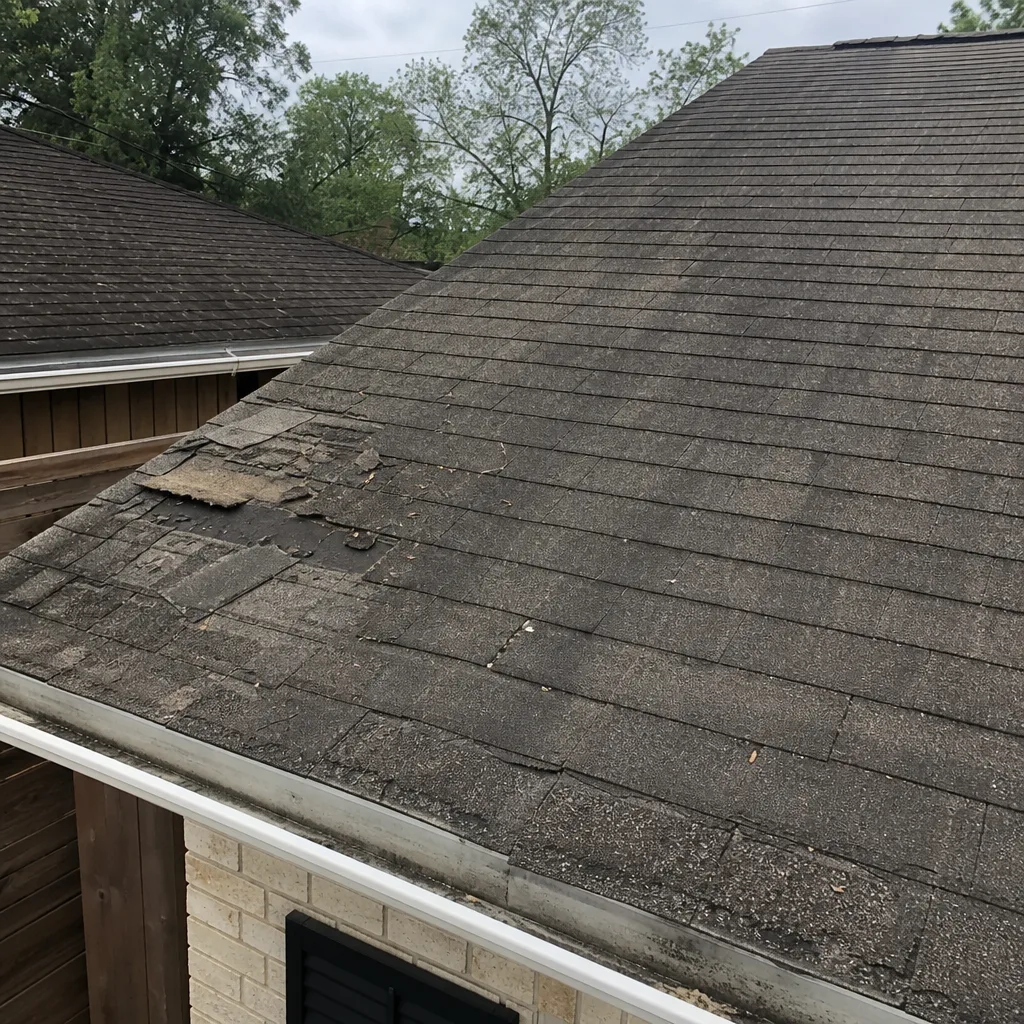 Before
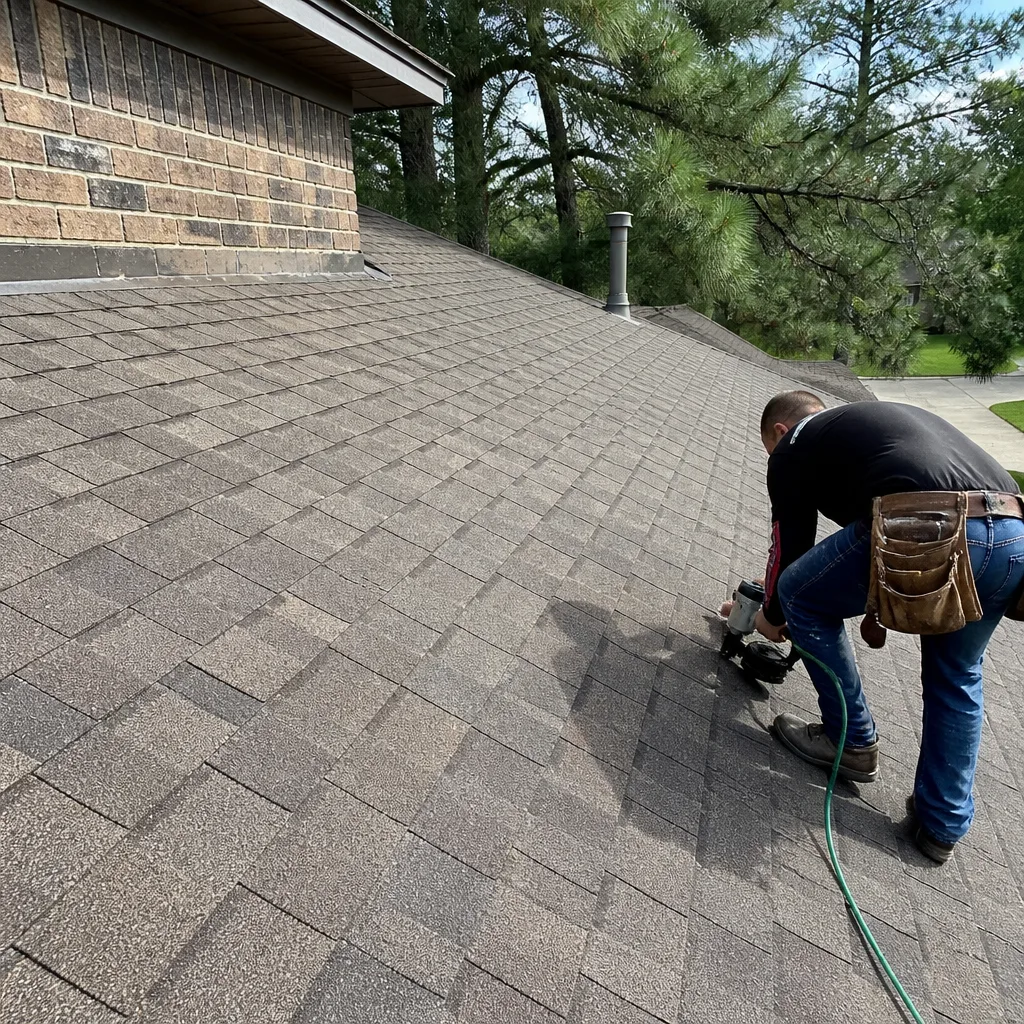 After
After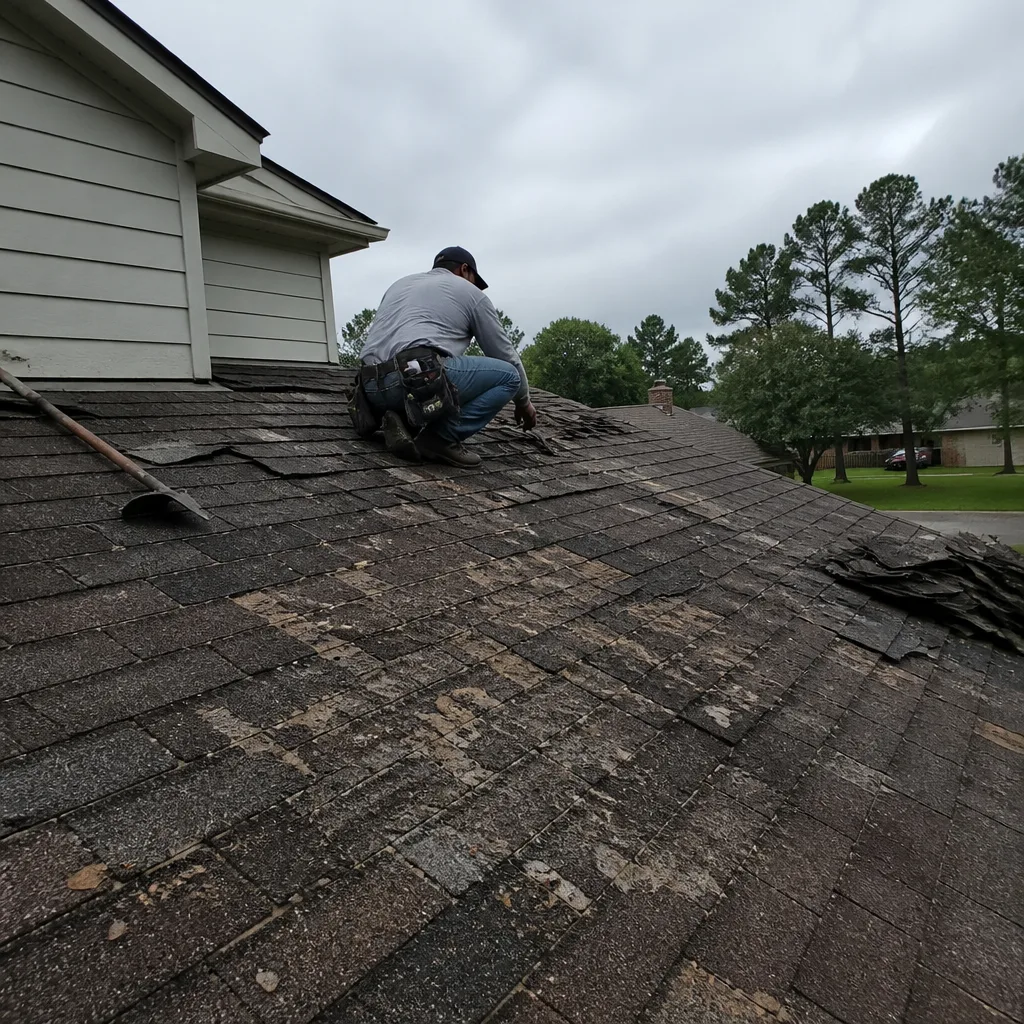 Before
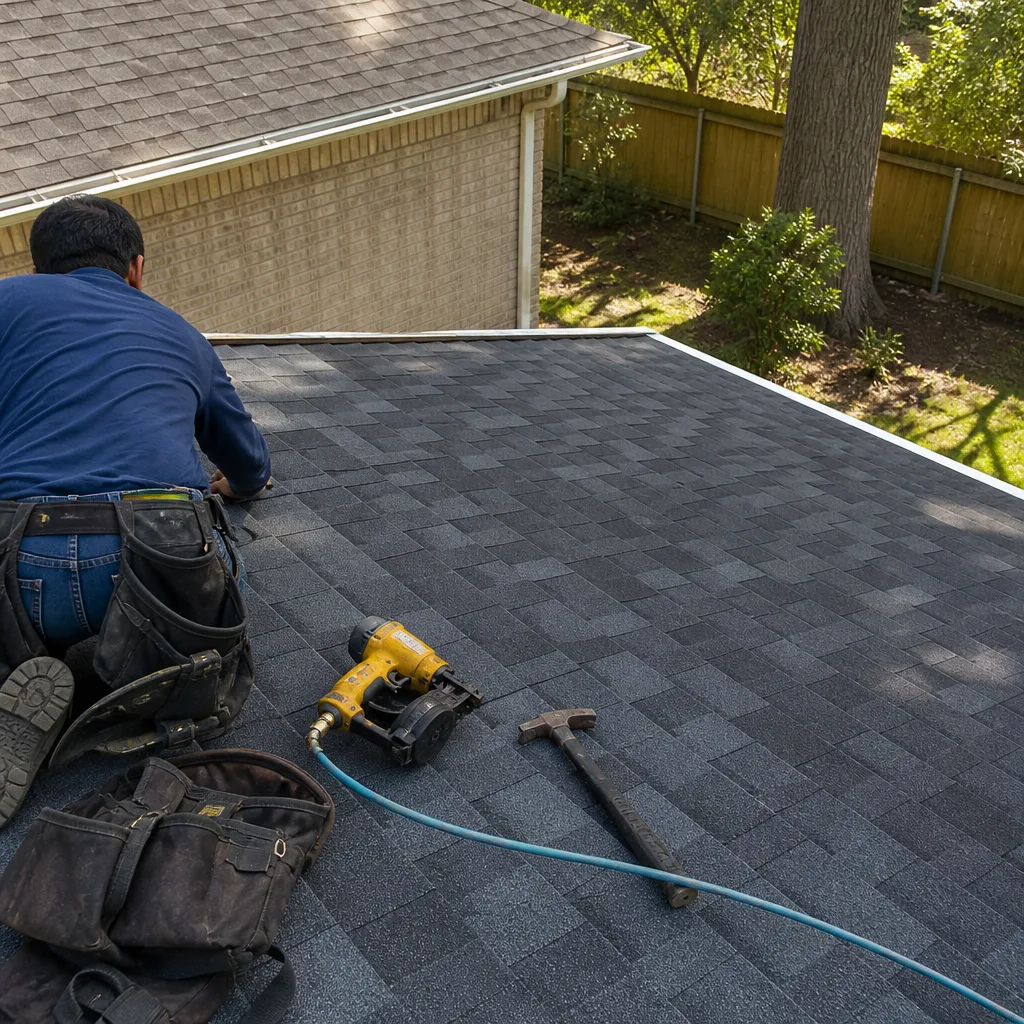 After
After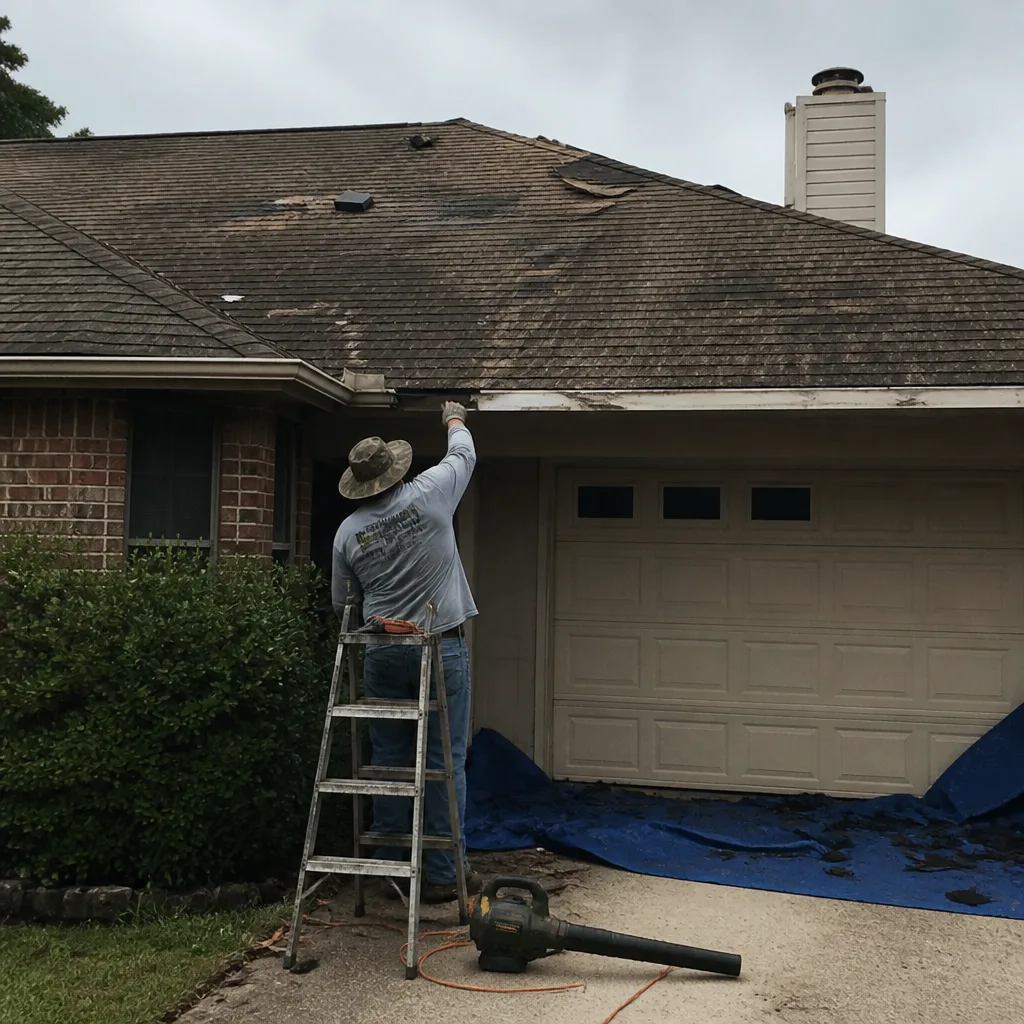 Before
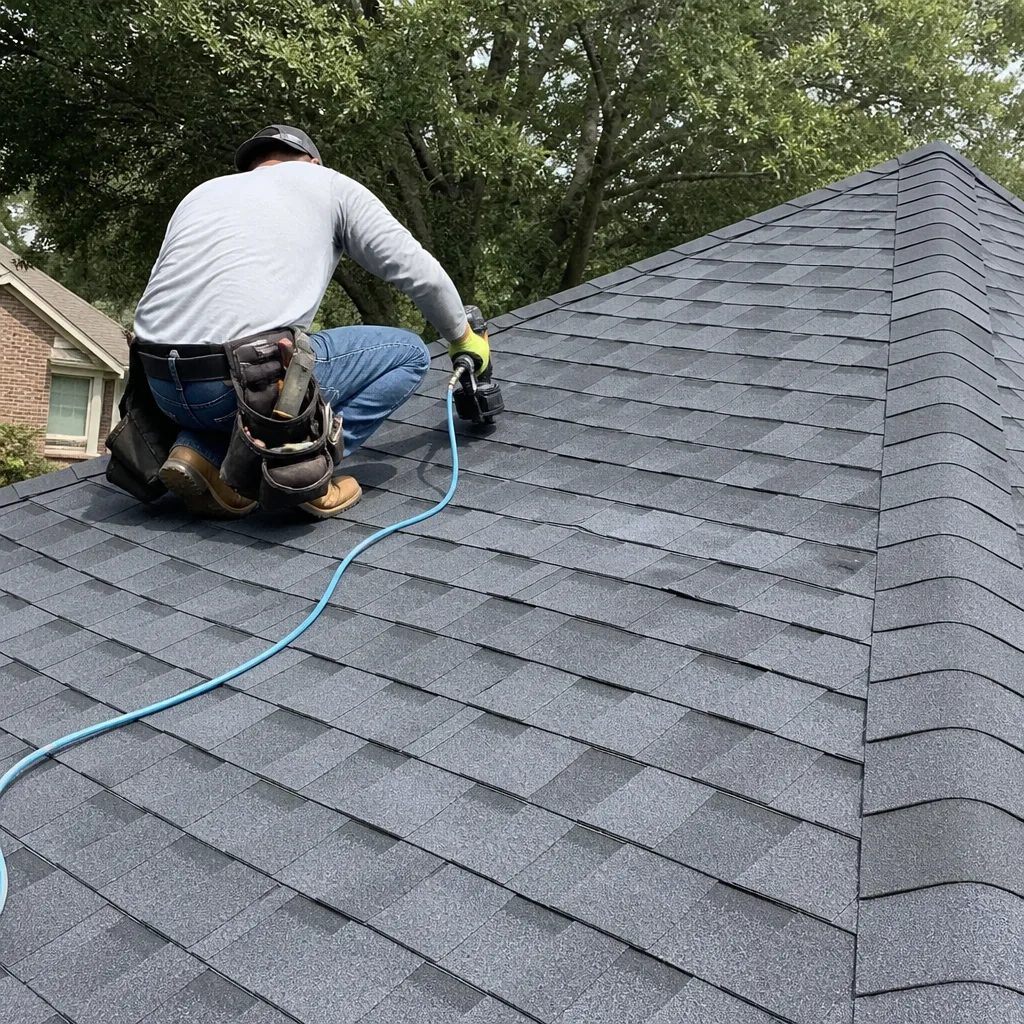 After
After